


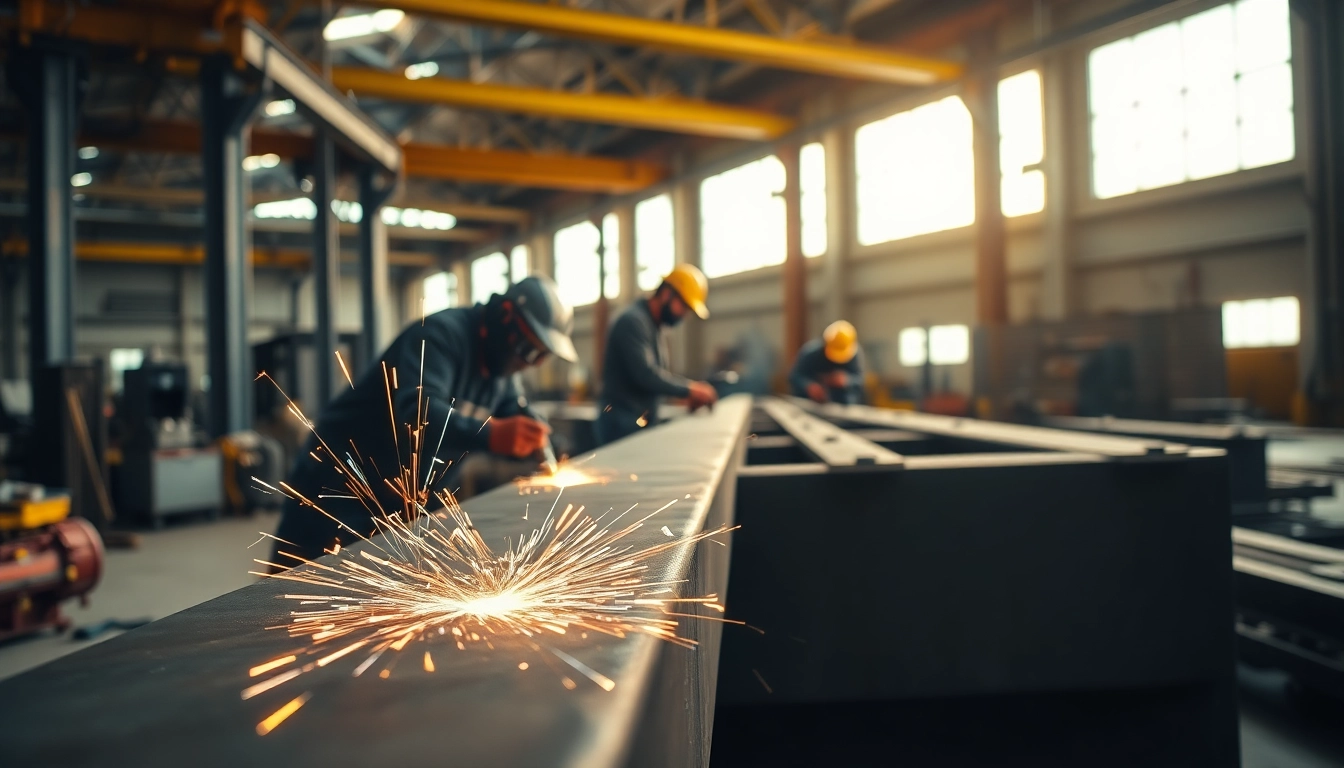
Understanding Structural Steel Welding
1. What is Structural Steel Welding?
Structural steel welding is a specialized process involving the fusion of metal components, primarily structural steel, to create durable and resilient frameworks for buildings, bridges, and various constructions. This welding process employs advanced technologies and techniques to ensure the integrity and stability of structures that must withstand significant loads and environmental conditions. By melting and joining steel pieces, welders create bonds that maintain strength and flexibility, essential for enduring various structural stresses.
2. Importance of Structural Steel in Construction
Structural steel plays a pivotal role in modern construction due to its numerous advantages. Not only is it stronger and more durable than many other building materials, but it also offers high resistance to environmental factors such as rust and fire. Additionally, structural steel is relatively lightweight, allowing for easier transportation and handling during construction. This material’s flexibility enables architects and engineers to design innovative structures that can adapt to various uses and changing architectural trends. Its cost-effectiveness in large-scale projects also makes structural steel an industry favorite. The reliable nature of structural steel welding ensures that constructions can stand the test of time and extreme conditions.
3. Common Types of Structural Steel Welding Techniques
There are several welding techniques used in structural steel welding, each with its distinct advantages and applicable scenarios. The most common methods include:
- MIG Welding (Gas Metal Arc Welding): Utilizing a continuous wire feed as an electrode, MIG welding is favored for its speed and ease of use, particularly in flat and horizontal positions.
- TIG Welding (Gas Tungsten Arc Welding): Known for its precision and clean finish, TIG welding is ideal for thinner materials and applications requiring high-quality welds, such as those in aerospace and thin-walled structures.
- Stick Welding (Shielded Metal Arc Welding): This technique is widely used for outdoor welding, as it can handle dirt and rusted surfaces. It is particularly effective for heavy-duty projects.
- Flux-Cored Arc Welding: Similar to MIG welding, this technique employs a tubular wire filled with flux to protect the weld, making it effective for outdoor and high-wind situations.
Essential Tools for Structural Steel Welding
1. Welding Machines and Equipment
Choosing the right welding machine is crucial for successful structural steel welding. Depending on the welding technique, the equipment may vary significantly. Key types of machines include:
- MIG Welders: These machines work best for projects that require speed and efficiency. Typically, they are more user-friendly and ideal for beginners.
- TIG Welders: Advanced users often prefer TIG welding machines for their ability to produce high-quality, aesthetically pleasing welds, particularly on thin materials.
- Stick Welders: A versatile choice for various conditions, stick welders are beneficial in construction settings where portability and robustness are paramount.
- Multi-Process Machines: These offer the flexibility of performing multiple welding techniques, allowing welders to adapt to various projects and challenges.
2. Safety Gear and Equipment
Safety is paramount in the welding industry. Proper personal protective equipment (PPE) must be worn at all times to prevent injuries. Essential safety gear includes:
- Welding Helmet: Protects the eyes and face from harmful UV rays and sparks.
- Gloves: Heavy-duty gloves are essential for protecting the hands from high temperatures and sharp metal edges.
- Aprons or Jackets: Flame-resistant materials help shield the body from sparks and heat.
- Respirators: In environments with fumes and particulates, respirators are critical for preventing respiratory hazards.
- Steel-Toed Boots: Providing foot protection from heavy objects and sharp edges is essential in construction sites.
3. Maintenance Tools for Welders
To maintain high-quality work and ensure safety, welders must also be equipped with appropriate maintenance tools. Regular maintenance of welding equipment minimizes downtime and enhances safety. Some essential tools include:
- Wire Brushes: For cleaning work surfaces and removing slag from welds.
- Welding Cart: A mobile solution for transporting equipment and keeping everything organized.
- Multimeters: Used for testing and measuring voltage, current, and resistance in welding machines.
- File Sets: For finishing and smoothing weld edges post-welding.
Best Practices in Structural Steel Welding
1. Preparing the Work Environment
Before starting any project, setting up a safe and efficient work environment is crucial. This includes ensuring adequate ventilation, organizing tools, and preparing work surfaces. Ensure that the workspace is free from clutter, flammable materials, and has proper lighting to reduce risks. Additionally, having a pre-welding checklist can help ensure that all safety measures and preparations are in place before beginning any welding work.
2. Techniques for Quality Welds
Producing quality welds requires a mix of skill, technique, and understanding of the materials involved. Essential techniques include:
- Proper Joint Preparation: Clean joints are critical for quality welds. Remove any contaminants that could weaken the bond.
- Correct Machine Settings: Adjusting the voltage and amperage according to the material thickness ensures optimal penetration without causing burn-through.
- Consistent Speed: Maintain a steady hand and consistent travel speed to ensure uniform welds without undercut or excessive buildup.
3. Inspection and Testing Methods
After welding, inspecting and testing the welds is vital to ensure they meet quality standards. Techniques include:
- Visual Inspection: The simplest method, often revealing surface defects or misalignments.
- Ultrasonic Testing (UT): Useful in detecting internal flaws, UT uses high-frequency sound waves to inspect the integrity of welds.
- X-Ray Inspection: X-Rays can reveal internal defects that are not visible from the surface, ensuring the structural soundness of welds.
Troubleshooting Common Welding Issues
1. Identifying Welding Defects
Identifying defects early can prevent costly repairs and ensure safety. Common issues include:
- Porosity: This occurs when gas pockets form in the weld, leading to weakness. It’s often caused by contaminants on the surface being welded.
- Undercut: A groove formed at the edge of the weld, undercut reduces the effective cross-section and can lead to failure.
- Hot Cracking: Cracks that occur in weld bead, because of stresses or high-stress concentrations.
2. Solutions for Common Problems
Addressing welding defects mostly revolves around ensuring proper technique and preparation:
- For Porosity: Clean the base materials thoroughly before welding and ensure that the welding environment is free of contaminants.
- To Resolve Undercut: Adjust welding speed and machine settings to maintain an even bead.
- Mitigating Hot Cracking: Properly control the cooling rate and use materials that minimize stress concentrations in welds.
3. Importance of Continuing Education
Staying updated on best practices, welding techniques, and new technologies is vital for welders. Participating in workshops, online courses, and industry seminars can help improve skills and knowledge. Certification programs can also reinforce essential safety protocols and adhere to industry standards.
The Future of Structural Steel Welding
1. Advances in Technology
As technology evolves, so do welding techniques. Automation and robotic welding systems are gaining traction. They provide efficiency, precision, and high quality in repeatable welds. Additionally, developments in welding materials, such as ultra-high-strength steel and advanced fillers, are allowing for lighter, stronger constructions.
2. Trends in the Industry
Industry trends indicate a shift toward sustainable practices in construction, affecting how structural steel is welded. Most manufacturers are exploring eco-friendly processes, such as using less energy or minimizing waste during welding. Additionally, modular construction methods are becoming popular, which significantly impacts welding applications as components are prefabricated and require different welding considerations.
3. Environmental Considerations in Welding
Modern structural steel welding practices increasingly prioritize sustainability. This includes using materials sourced responsibly and reducing emissions during the welding process. Employing filtration systems to capture fume emissions and recycling scrap steel are practical measures affecting the environmental footprint of welding operations.