
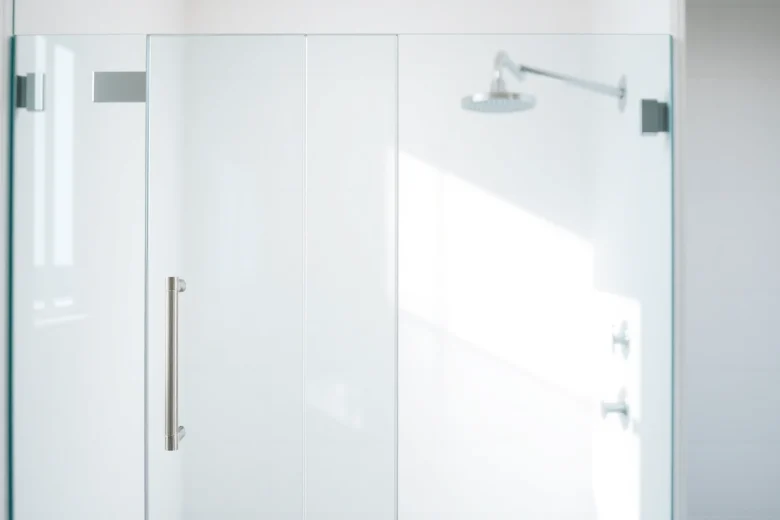
Understanding Shower Screen Door Basics
What is a Shower Screen Door?
A shower screen door is a specially designed partition that prevents water from splashing out of the shower area while providing accessibility and a stylish appearance. Unlike traditional shower curtains, shower screen doors are typically constructed from durable materials such as glass or acrylic, ensuring both functionality and aesthetics. Their primary purpose is to contain water, thereby reducing slip hazards on bathroom floors and maintaining the overall cleanliness of your bathing environment. Furthermore, they come in a variety of styles and configurations, allowing for a customizable fit that aligns with various bathroom designs and user preferences.
Types of Shower Screen Doors Available
When looking for the perfect shower screen door, consumers encounter several types, each suited for different needs. The main types include:
- Sliding Doors: Ideal for compact spaces, these doors glide open on tracks, offering seamless access without requiring additional swing space.
- Hinged Doors: Typically attached to a wall, hinged doors swing outwards, making them a great option for larger showers.
- Bi-Fold Doors: These doors fold inwards, saving space while allowing for larger openings—perfect for smaller bathrooms.
- Walk-In Screens: A stylish and contemporary choice, walk-in screens provide an open, airy feel without the need for a traditional door.
- Corner Panels: Specifically designed for corner showers, these panels help in maximizing the use of space.
Benefits of Installing a Shower Screen Door
The benefits of installing a shower screen door are multifold. They not only enhance the aesthetic charm of your bathroom but offer practical advantages as well. Some of the key benefits include:
- Water Containment: Effectively keeps water within the shower area, reducing the risk of slips and falls.
- Enhanced Aesthetic Appeal: Available in various styles and finishes, they can complement any design scheme, adding a touch of elegance.
- Improved Hygiene: Unlike fabric curtains that can harbor mold and mildew, glass shower screen doors are easier to clean and maintain.
- Increased Property Value: Modern features like shower screen doors appeal to potential buyers, positively impacting property value.
- Customization Options: Available in various sizes, styles, and materials, they can be tailored to fit any bathroom design.
Choosing the Right Material for Your Shower Screen Door
Glass vs. Acrylic: Which Is Better?
One of the first decisions when selecting a shower screen door is choosing between glass and acrylic. Both materials have their unique advantages and disadvantages:
- Glass: Offers a premium look and feel. It is available in various thicknesses, providing strength and durability. Vintage or frosted glass can also be etched for added privacy. However, it requires more careful handling and installation.
- Acrylic: More lightweight and resistant to impact, making it easier to install. It’s less prone to shattering, making it a safety choice for family bathrooms. However, acrylic may scratch more easily and may need more frequent replacement if not cared for properly.
Ultimately, the choice depends on your specific needs: aesthetic appeal versus ease of maintenance and safety.
Framed vs. Frameless Shower Screen Door Options
Framed and frameless shower screen doors offer different visual and functional benefits:
- Framed Shower Screen Doors: These doors have metal frames that provide structural support. They typically come in a variety of finishes and styles, but the frame can sometimes make the enclosure appear bulkier.
- Frameless Shower Screen Doors: These doors are all-glass structures that provide a clean, modern look. Frameless designs utilize strong hinges and fittings for support, often creating an illusion of more space and light within the bathroom.
Choosing between framed and frameless options will depend on factors like style preference, budget constraints, and the aesthetics of your bathroom.
Impact of Material on Durability and Maintenance
The material you select greatly impacts the longevity of your shower screen door and the level of maintenance required. Glass doors, while stylish and durable, can be prone to water spots and mineral build-up unless treated with protective coatings. Acrylic doors tend to be easier to maintain but can suffer from scratches and fading over time. Regular cleaning using non-abrasive products will enhance both material’s durability. Understanding these dynamics allows for informed choices that align with your lifestyle and bathroom usage.
Installation Tips for Your Shower Screen Door
Preparing Your Bathroom for Installation
Preparing your bathroom for the installation of a shower screen door is crucial for ensuring a smooth process. Start by measuring the space where the door will be installed. Make sure to account for the type of door chosen—sliding doors require different space considerations than swinging ones. Additionally, consider the wall surface. If it’s uneven or rough, you may need to smooth it out before installation to allow for a proper seal and prevent leaks.
Lastly, gather all necessary tools and materials ahead of time, including a level, drill, screws, and the specific installation manual for your chosen shower screen door.
Step-by-Step Installation Guide
Installing a shower screen door can seem daunting, but with the right approach, it can be a straightforward project. Follow these steps:
- Measure and Mark: Carefully measure the space and mark where the door frame will go on the walls.
- Install the Frame: If you have a framed door, install the wall brackets first, ensuring they are level.
- Hang the Door: Attach the door to the hinges or track as per the manufacturer’s instructions.
- Seal and Finish: Use silicone sealant around the edges to ensure a watertight seal and clean up any excess.
- Test the Door: Once the installation is complete, test the door for proper functionality and make any necessary adjustments.
Following these steps will help ensure your shower screen door is installed correctly and functions effectively for years to come.
Common Mistakes to Avoid When Installing
Even with a clear plan, mistakes can occur during installation. Here are some common pitfalls to avoid:
- Ignoring Manufacturer Instructions: Failing to read and follow the specific installation instructions may lead to errors.
- Improper Measurements: Measure multiple times to avoid cutting or drilling mistakes. Incorrect measurements can lead to gaps and leaks.
- Overtightening Screws: This can crack glass or damage the frames. Tighten screws just enough to secure them without excessive force.
- Neglecting Water Seals: Ensure that all seals are tight and sealed with enough silicone to prevent leaks.
By being aware of these common mistakes and taking the necessary precautions, you can ensure a successful installation.
Maintenance and Care for Your Shower Screen Door
Cleaning Best Practices for Longevity
Maintaining your shower screen door is essential for its durability and appearance. Here are some best practices for cleaning:
- Use Non-Abrasive Cleaners: Avoid harsh chemicals that can scratch or damage the surface. Instead, opt for mild soap or a vinegar solution.
- Regular Cleaning: Clean the screen door at least once a week to prevent grime build-up.
- Dry After Use: Wiping the door down with a microfiber cloth after each shower can help reduce water spots and keep it looking new.
Regular maintenance can extend the life of your shower screen door while keeping your bathroom looking pristine.
Preventing Water Stains and Build-Up
Water stains and mineral build-up can be an eyesore. To prevent these issues:
- Install a Water Softener: If hard water is an issue, consider a water softening system for your entire home.
- Use a Squeegee: Keep a squeegee in your shower to quickly remove excess water from the door after each use.
- Apply a Protective Coating: Consider using glass protective sprays designed to repel water and prevent mineral deposits.
Implementing these preventative measures will maintain both the aesthetics and functionality of your shower screen door.
When to Call a Professional for Repairs
While regular maintenance can handle most issues, some situations call for professional help. Consider reaching out to a specialist if you notice:
- Cracks or Chips: If the glass develops any cracks or chips, immediate replacement is necessary to prevent further damage.
- Water Leaks: Persistent leaks could indicate a misalignment or gap that needs professional assessment.
- Functional Issues: Difficulties in opening or closing the door may require expert adjustment or servicing.
Knowing when to call a professional can save time and additional repair costs down the road.
Frequently Asked Questions About Shower Screen Doors
How do I choose the right shower screen door size?
Measure the opening of your shower space carefully. Ensure you account for any wall or floor variations and refer to manufacturer guidelines to select the right size.
Can shower screen doors be installed in small bathrooms?
Yes, many styles, such as bi-fold or sliding shower screen doors, are designed specifically for small spaces, ensuring efficient use of available area.
What are the best cleaning products for shower screen doors?
Mild dish soap mixed with water, vinegar solutions, or specially designed glass cleaners are effective for cleaning shower screen doors. Always avoid abrasive cleaners.
Are shower screen doors easy to install?
With the right tools and guidelines, many homeowners find shower screen doors manageable to install. However, professional assistance may be advisable for complex setups.
How can I prevent mold buildup on my shower screen door?
To prevent mold, ensure good ventilation in your bathroom, regularly clean surfaces, and consider applying a mold-resistant sealant on the door.