


Understanding the Scituate In-Law Expansion Concept
Defining In-Law Expansions
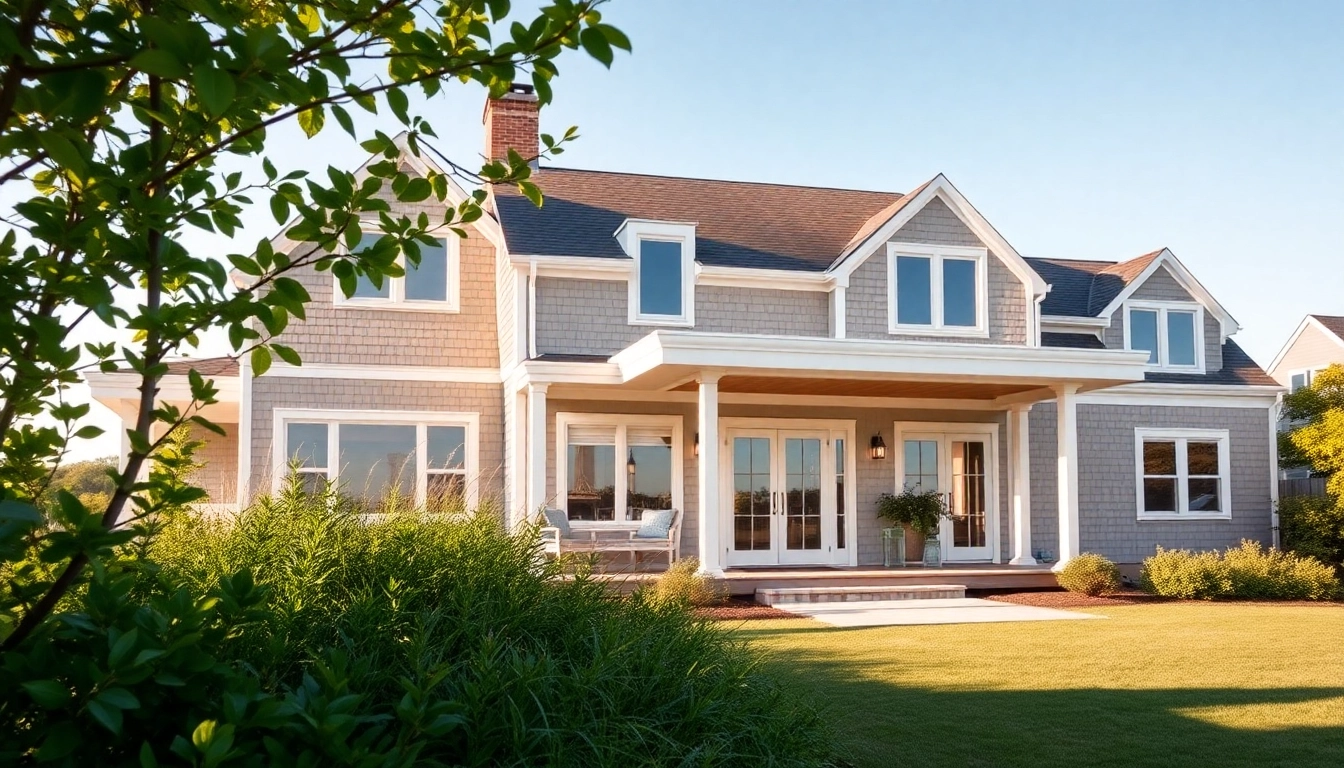
An in-law expansion typically refers to an addition to a residential property that creates a separate living space for family members, particularly aging parents or adult children. In this context, the term “in-law” implies a design that allows for independent living while being part of the main household. The Scituate In-Law Expansion, for instance, showcases how design can be harmoniously integrated to provide functionality without compromising aesthetics.
Benefits of Adding In-Law Suites
In-law suites offer numerous benefits beyond just family convenience. Here are some key advantages:
- Increased Property Value: A well-designed in-law suite can enhance the overall value of your home, making it more appealing to future buyers.
- Flexibility: They provide an adaptable space for family visits, caregiving, or even rental opportunities.
- Independence: In-law suites allow family members to maintain independence while being close to loved ones.
- Cost-Effective Living Solutions: They reduce the need for assisted living facilities and offer a cost-effective solution for multi-generational living.
Key Considerations for Design
Designing an in-law expansion involves multiple elements that ensure it functions well and complements the primary residence. Key considerations include:
- Accessibility: Ensure easy access for those with mobility issues.
- Privacy: The suite should offer private entrances and soundproofing from the main house.
- Layout: An efficient layout that maximizes space without feeling cramped is crucial for comfort.
- Style: Design should harmonize with the existing architecture to maintain aesthetic coherence.
Finding the Right Location for Your In-Law Expansion
Evaluating Your Property Layout
Before proceeding with an in-law expansion, it’s essential to assess your property’s current layout. Consider factors such as:
- Available square footage and potential areas for expansion.
- The impact on both the aesthetic and functional flow of the existing spaces.
Utilizing a professional architect can offer insights into maximizing the plot’s potential creatively and sustainably.
Neighborhood Regulations and Zoning Laws
It’s vital to understand any local regulations or zoning laws that govern residential expansions. This may include:
- Restrictions on the size or type of structure you can build.
- Setback requirements ensuring the new structure aligns with neighborhood aesthetics.
- Permits that may be needed before construction can begin.
Consulting your local planning department can provide clarity on these potential hurdles.
Access to Necessary Amenities
The location of your in-law suite should consider proximity to necessary amenities such as:
- Public transport for easy mobility.
- Healthcare facilities for accessible medical care.
- Grocery stores and other shopping options for daily needs.
Moreover, incorporating these amenities into your design can enhance your in-law suite’s functionality and livability.
Design Elements for Your In-Law Suite
Maximizing Space Functionality
Efficient use of space is crucial when designing your in-law suite. Consider implementing:
- Multi-Functional Furniture: Utilize beds with storage, extendable tables, and modular seating.
- Open Floor Plans: Create fluidity in living spaces by minimizing walls.
- Smart Storage Solutions: Install built-ins and custom cabinetry to utilize vertical space.
Integrating with the Main House
Seamless integration with the main house is essential for aesthetic coherence. Factors to consider include:
- Consistent Architectural Style: Ensure both structures complement each other’s architectural features.
- Matching Materials: Use similar siding, roofing, and colors in both buildings.
- Landscaping: Consider landscaping that ties both spaces together, improving overall curb appeal.
Incorporating Modern Features
In-law suites should not skimp on modern conveniences. Some features that can elevate the living experience include:
- Smart Home Technology: Install smart locks, lighting, and climate control for comfort and convenience.
- Energy Efficiency: Incorporating energy-efficient appliances and insulation to lower utility bills.
- High-Quality Finishes: Utilize quality materials for the kitchen and bathroom to ensure durability.
Budgeting for Your Scituate In-Law Expansion
Estimating Costs Accurately
Creating a comprehensive budget starts by estimating costs accurately. Key expenses can include:
- Design fees for architects and engineers.
- Construction costs for materials and labor.
- Interior furnishings and decor.
Researching local costs and obtaining multiple quotes can provide a clearer financial picture.
Funding Options and Financing
Exploring funding options is essential when budgeting for your in-law expansion. Consider:
- Home Equity Loans: Leveraging home equity can provide needed capital.
- Personal Loans: Provide no collateral but come with higher interest rates.
- Government Grants: For certain renovations focused on accessibility or health needs.
Cost-Saving Ideas During Construction
Cost savings can significantly impact your budget. Here’s how to economize:
- Opt for semi-custom designs instead of fully custom builds.
- Choose materials that offer value without compromising quality, such as laminate rather than solid wood.
- Consider taking on minor construction tasks yourself, such as painting or landscaping.
FAQs About the Scituate In-Law Expansion
What is a Scituate In-Law Expansion?
A Scituate In-Law Expansion is an addition to a home that provides independent living space for family members, enhancing aesthetics and functionality.
How much does it cost to build an in-law suite?
Costs vary significantly depending on size and features but generally range from tens of thousands to over a hundred thousand dollars. Accurate budgeting is essential.
What are the benefits of an in-law expansion?
Benefits include increased property value, enhanced family flexibility, independence for residents, and cost-effective multi-generational living solutions.
Can I apply for permits for an in-law suite?
Yes, you typically need building permits. Consult local regulations to understand requirements and ensure compliance during planning and construction.
How can I design an in-law suite that feels separate?
Design can include private entrances, soundproofing, as well as distinct landscaping and outdoor spaces, enhancing independence while maintaining connection.