


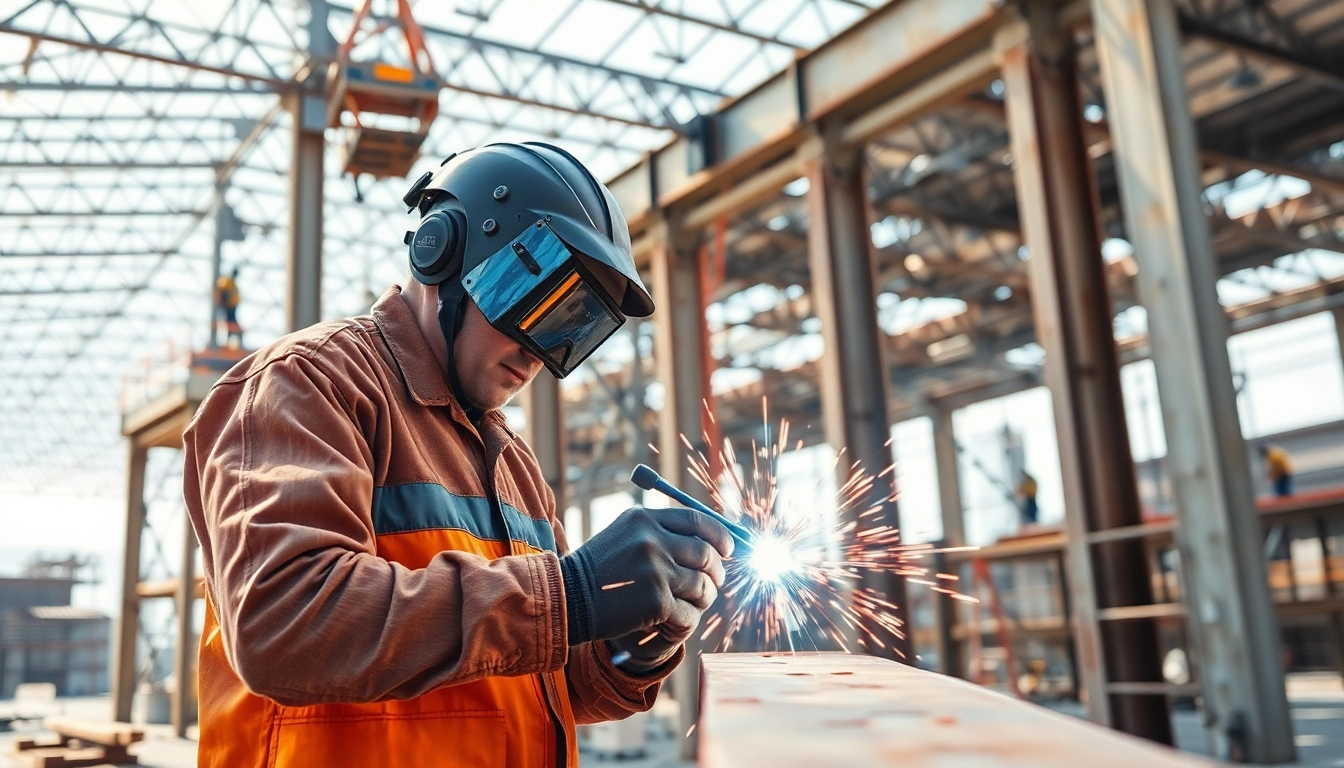
Understanding Structural Steel Welding
Definition and Importance of Structural Steel Welding
Structural steel welding is a critical process in the construction and manufacturing sectors, where the demand for durable and robust structures is paramount. It serves as a method for joining steel components, ensuring that they work together to form a cohesive and stable framework. The significance of structural steel welding lies not only in its role in building infrastructure but also in enhancing both safety and aesthetic appeal in construction projects.
This process involves the application of heat and, in some cases, pressure to fuse together two or more metal pieces. Various welding techniques can be employed, and selecting the right type can greatly influence the overall quality of the weld, as well as the strength and longevity of the final structure. It is essential for engineers, architects, and construction personnel to understand the fundamentals of structural steel welding to ensure that projects meet stringent safety standards.
Common Applications in Construction
Structural steel welding is employed in a wide range of applications, from small-scale residential constructions to large-scale commercial complexes and bridges. Some of the most common applications include:
- Building Frames: Steel frameworks are integral in high-rise buildings, where they provide the necessary support and stability against environmental forces.
- Bridges: The construction of bridges relies heavily on structural steel welding to connect beams and other structural elements that must withstand significant loads.
- Industrial Structures: Factories and warehouses utilize structural steel welding to create robust frameworks that can support heavy machinery and equipment.
- Fabrication of Steel Components: Many construction projects require the prefabrication of steel elements that are welded together on-site.
- Support Structures: Steel is often used in various support roles, such as columns, trusses, and girders that must endure constant stress and weight.
Defining Key Welding Techniques
Understanding the various welding techniques applicable to structural steel is essential for ensuring successful outcomes in projects. Key methods include:
- MIG (Metal Inert Gas) Welding: Also known as Gas Metal Arc Welding (GMAW), MIG welding is favored for its speed and versatility in joining thin sections of steel. It utilizes a continuous wire electrode and an inert gas shield to protect the weld pool.
- TIG (Tungsten Inert Gas) Welding: Known for its precision, TIG welding is ideal for intricate welds or where aesthetics are important. It employs a non-consumable tungsten electrode and requires a high level of skill.
- Stick Welding: Also referred to as Shielded Metal Arc Welding (SMAW), this is one of the oldest welding methods and is highly adaptable to various environments. It uses a consumable electrode covered in flux, which protects the weld from contamination.
- Flux-Cored Arc Welding (FCAW): This variant is similar to MIG welding but utilizes a hollow electrode filled with flux. FCAW can be used with or without shielding gas, making it suitable for outdoor applications.
Essential Equipment for Structural Steel Welding
Welding Machines and their Functions
The selection of the right welding machine is critical in achieving quality results in structural steel welding. Not all machines are created equal, and understanding their features is essential. The main types include:
- MIG Welders: These machines are typically user-friendly and suited for beginners; they provide continuous feed of wire and allow for quick welds.
- TIG Welders: Although they require more skill, TIG welders offer precision and are ideal for thin metals or applications where aesthetics are of utmost concern.
- Stick Welders: These machines are robust and can function well in challenging environments, making them a favoured choice for construction sites.
- Multi-Process Welders: For versatility, multi-process machines can accommodate MIG, TIG, and stick welding, providing flexibility for various tasks.
Personal Protective Equipment (PPE) Required
Given the hazards associated with welding, proper personal protective equipment (PPE) is essential for the safety of welders. Key PPE includes:
- Welding Helmet: Necessary for protecting the eyes from harmful UV and infrared rays, as well as from sparks and debris.
- Gloves: Heavy-duty, flame-resistant gloves are vital to protect the hands from heat and sparks.
- Protective Clothing: Flame-resistant jackets and pants made from durable fabrics can minimize the risk of burns.
- Foot Protection: Steel-toed boots are important for protection against heavy materials and potential impact injuries.
- Respirators: Depending on the environment and materials being welded, respirators may be necessary to protect against harmful fumes and gases.
Choosing the Right Tools for the Job
In addition to the welding machine and PPE, selecting the right tools can significantly affect the efficiency and quality of welding operations. Essential tools include:
- Angle Grinders: Ideal for surface preparation, removing rust, and preparing edges before welding.
- Welding Clamps: These are crucial for holding workpieces in place during welding, ensuring accuracy and consistency.
- Measuring Tools: Accurate measurement tools such as calipers and tape measures are essential to maintain precision in cutting and joining materials.
- Welding Rods and Filler Materials: The choice of filler material can influence the strength and integrity of the weld. Understanding compatibility with the base materials is crucial.
Techniques for Effective Structural Steel Welding
Metal Preparation and Joint Design
The quality of a weld begins long before the welder strikes an arc. Proper preparation of the metal surfaces is crucial for achieving strong, defect-free welds. Key steps include:
- Surface Cleaning: Remove contaminants such as grease, dirt, and rust. Methods may include grinding, sanding, or using chemical cleaners.
- Joint Design: Selecting the correct joint design (butt, groove, lap, T-joints, etc.) is vital for strength and accessibility. Factors such as the thickness of the materials and the load conditions should be considered.
- Fit-Up: Ensure tight fit-up of pieces being joined for better fusion, which can be achieved through the use of clamps or tacks to hold pieces in position.
Welding Processes: MIG, TIG, and Stick Welding
Each welding process has its unique characteristics, and understanding these can guide welders in choosing the appropriate method for specific situations:
- MIG Welding: Best suited for quick and efficient welding of thin materials. It allows for high-speed welding and is effective in achieving continuous welds.
- TIG Welding: Requires greater skill but offers precision and high-quality welds often necessary for structural applications. Ideal for non-ferrous metals and thin sheets.
- Stick Welding: Its versatility and portability make it a great choice for outdoor projects. It performs well in windy conditions and on dirty or rusty surfaces.
Handling Difficult Weld Positions
Welding in difficult positions (overhead, vertical, or in confined spaces) requires special techniques and adjustments. Implementing the following strategies can improve outcomes:
- Positioning: Use jigs, fixtures, or clamps to hold parts in place. Proper positioning can enhance access and visibility, particularly in overhead situations.
- Technique Variation: Adapting your welding technique—such as manipulating the travel speed and electrode angle—can help achieve more effective welds in challenging positions.
- Utilizing Multi-Process Welders: These allow for a seamless transition between methods, adapting to the position and materials as needed, maximizing flexibility.
Safety Measures in Structural Steel Welding
Identifying and Mitigating Risks
Welding, while rewarding, poses several hazards, including exposure to intense heat, fumes, and UV radiation. Identifying potential risks within the work environment is the first step toward ensuring safety. Some common risks include:
- Fume Inhalation: Welding produces harmful fumes that can cause respiratory problems if inhaled over time. Adequate ventilation is prerequisite.
- Burns: Sparks generated during welding can cause severe burns. Maintaining a clean workspace and using appropriate PPE can minimize this risk.
- Fire Hazards: Combustible materials nearby can ignite from welding sparks. Establishing a firewatch and using fire-resistant materials helps mitigate this danger.
Proper Use of Personal Protective Equipment
Wearing PPE correctly is fundamental to ensuring safety during welding operations. Training welders on correct usage is essential, emphasizing:
- Regular inspection of the condition of helmets, gloves, and clothing.
- The importance of selecting gear appropriate for the specific welding process being used.
- Awareness regarding limitations of PPE and the necessity of supplementary safety practices, such as proper ventilation.
Emergency Response and First Aid Protocols
If an incident occurs, a well-developed emergency response plan is crucial. Welding operations should adhere to the following guidelines:
- First Aid Training: Personnel should be trained in emergency first aid measures, including how to respond to burns, cuts, and other injuries.
- Emergency Contacts: Ensure that emergency contact information is readily available and that all staff are familiar with it.
- Incident Reporting: A clear procedure for reporting incidents should be established to analyze causes and prevent future occurrences.
Certifications and Training for Structural Steel Welding
Importance of Certification in the Industry
Certification plays a pivotal role in maintaining industry standards and enhancing the credibility of welders. It assures employers and clients of a welder’s proficiency and commitment to quality. Certifications are often specific to particular welding processes or materials, including:
- AWS Certification: The American Welding Society offers various certifications that are recognized throughout the industry for their rigorous standards.
- International Certifications: Certifications that comply with international standards can broaden opportunities for welders working on global projects.
- Employer-Specific Certifications: Some employers may have their training and certification protocols that reflect their unique operational standards and practices.
Recommended Training Programs and Resources
A comprehensive training program is essential to prepare future welders for the challenges they will face. Recommended resources for training include:
- Technical Schools and Community Colleges: Many institutions offer hands-on training and coursework that culminate in certifications.
- Online Training Platforms: Digital resources are increasingly available, providing flexible learning options that can be accessed from anywhere.
- Industry Workshops: Participating in workshops hosted by welding associations can enhance practical skills and knowledge of new technologies in the field.
Continuing Education and Skill Advancement
In a rapidly changing industry, continuous education is vital for welders to stay updated with the latest techniques and regulations. Strategies for skill advancement include:
- Advanced Training: Regular workshops and specialized training sessions can help refine skills and introduce new methodologies or materials.
- Networking: Engaging with professional organizations allows for sharing knowledge and experiences with fellow welders.
- Staying Current with Trends: Following industry publications and participating in online forums can help welders stay informed about trends, innovations, and best practices.