


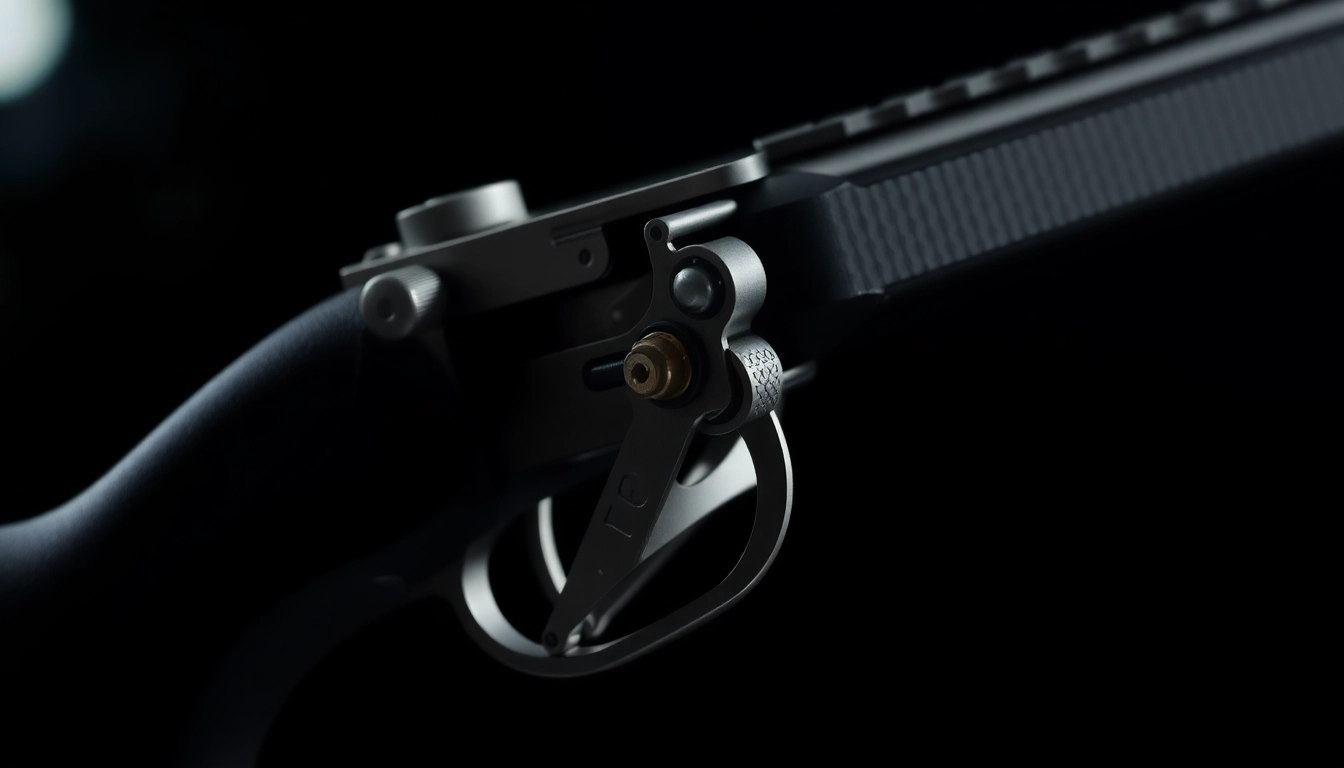
Introduction to Forced Reset Trigger
The world of firearms is filled with various components that enhance performance, and among these, the forced reset trigger stands out for its innovative design and functionality. This trigger type has gained popularity among enthusiasts and competitive shooters for its unique ability to improve firing rates without crossing the legal boundaries associated with automatic weapons.
What is a Forced Reset Trigger?
A forced reset trigger (FRT) is designed to reset the trigger mechanism more quickly than traditional triggers. When the firearm is fired, the rearward motion from the recoil pushes the trigger mechanism forward automatically, allowing for a rapid next shot without manually releasing the trigger. It operates differently from a binary trigger, where one pull fires a round and another pull resets the mechanism.
How Does It Work?
The functioning of a forced reset trigger is fascinating. As the firearm cycles, the movement of the action interacts with the trigger components. Basically, after a shot is fired, the cycling of the bolt or slide drives the trigger forward, causing it to return to the non-firing position. This mechanical action allows the shooter to prepare for the next shot with minimal delay.
Legal Status of Forced Reset Triggers
Understanding the legal standing of forced reset triggers can significantly affect accessibility and use. As of now, FRTs are legal at the federal level in many regions, as they do not qualify as machine guns. However, individual states have varying laws, some of which may classify these triggers as restricted devices. It is essential for owners and potential buyers to research their local regulations thoroughly to ensure compliance.
Mechanics Behind a Forced Reset Trigger
Components of a Forced Reset Trigger
The primary components of a forced reset trigger system typically include a trigger blade, a reset bar, and a sear mechanism. Each part is engineered for durability and precision. For instance, the reset bar plays a crucial role in enabling the rapid movement of the trigger back to its original position after each discharge. Additionally, quality materials like heat-treated steel contribute to the performance and reliability of these components.
Operational Advantages
Using a forced reset trigger offers several advantages. Primarily, it allows for faster shooting without the complexities associated with full-auto systems. Shooters can achieve higher rates of fire while maintaining full control, as the trigger requires a deliberate pull for each shot. Additionally, the simplicity of the design makes installation easier than more complicated trigger systems.
Manufacturing Standards for Quality
Manufacturers of forced reset triggers adhere to strict quality standards to ensure safety and reliability. This often involves rigorous testing phases before full-scale production. High-performance manufacturing techniques, along with quality control checks, help maintain the integrity of these triggers under various shooting conditions. Responsible sourcing of materials also plays a significant role in the sustainability and reliability of the triggers produced.
Applications and Use Cases
Target Shooting Efficiency
In target shooting scenarios, the forced reset trigger can significantly enhance performance. Its mechanics allow for rapid successive shots, helping shooters maintain consistent accuracy over extended sessions. This efficiency can be vital during competitions where precision and speed are paramount.
Home Defense Scenarios
For home defense, the forced reset trigger lends itself to an effective tool in scenarios where every second counts. Home defense situations require shooters to react quickly to threats, and an FRT can offer the necessary speed while ensuring the firearm remains compliant with regulations. However, responsible practice with the trigger is essential to maintain safety.
Competitive Shooting Considerations
Competitive shooting has seen a surge in the use of forced reset triggers due to their ability to improve times and scores. In disciplines where rapid firing and accuracy are judged, firearms equipped with FRTs have distinct advantages. Understanding the nuances of their operation can help competitors leverage these advantages effectively during competitions.
Common Questions About Forced Reset Trigger
Is a Forced Reset Trigger Legal in My State?
The legality of a forced reset trigger varies by state. While federal laws allow their use, some state regulations may classify FRTs as machine guns or restricted devices. It is crucial to check your state’s laws to be compliant.
How Does a Forced Reset Trigger Compare to Other Triggers?
Unlike conventional or binary triggers, a forced reset trigger allows for a sequential shot without the need for the shooter to manually reset the trigger. This can lead to improved firing rates while maintaining compliance with legal standards.
What Safety Measures Should Be Followed?
Safety measures are essential when using forced reset triggers. Practicing in a controlled environment and ensuring your firearm is in good working order is vital. Additionally, maintaining trigger discipline and using appropriate protective gear can significantly enhance safety.
Best Practices for Using a Forced Reset Trigger
Proper Installation Techniques
When installing a forced reset trigger, following the manufacturer’s instructions is crucial. Proper alignment of components ensures optimal function. Additionally, it is recommended to have a qualified gunsmith perform the installation to guarantee it meets safety standards and legal compliance.
Regular Maintenance Guidelines
Regular maintenance of your forced reset trigger is important for optimal performance. This includes routine cleaning and lubrication of the trigger mechanism, along with periodic inspections for wear and tear. Keeping detailed records of maintenance can help track performance issues over time.
Advanced Techniques for Expert Shooters
Expert shooters can take full advantage of forced reset triggers by developing advanced shooting techniques. Practicing consistent trigger pulls and minimizing reset time through proper hand positioning can enhance performance. Simulating various shooting scenarios in controlled environments can also improve response times and accuracy.
Conclusion
In summary, forced reset triggers represent an innovative leap in firearm technology, providing unique advantages for shooters across various applications. Their advantages in target shooting, home defense, and competitive environments make them valuable tools, provided users understand the legalities and mechanics involved. By adhering to best practices and maintaining safety, shooters can maximize their benefits while enjoying the fascinating complexities of this trigger technology.
FAQs
What is a forced reset trigger?
A forced reset trigger is a type of firearm trigger that automatically resets after being pulled, allowing for faster successive shots without manually resetting the trigger.
Are forced reset triggers legal?
Forced reset triggers are legal under federal law but may be restricted or regulated in certain states. Always check local laws before purchasing.
How do I install a forced reset trigger?
Installation should follow the manufacturer’s instructions carefully. Hiring a professional gunsmith is recommended to ensure proper installation and safety.
What maintenance do forced reset triggers require?
Regular cleaning, lubrication, and inspections for wear are necessary to maintain performance and safety. Keep detailed maintenance records.
Can I use a forced reset trigger for home defense?
Yes, a forced reset trigger can be effective for home defense, offering rapid fire capability. However, responsible usage and awareness of local laws are vital.