


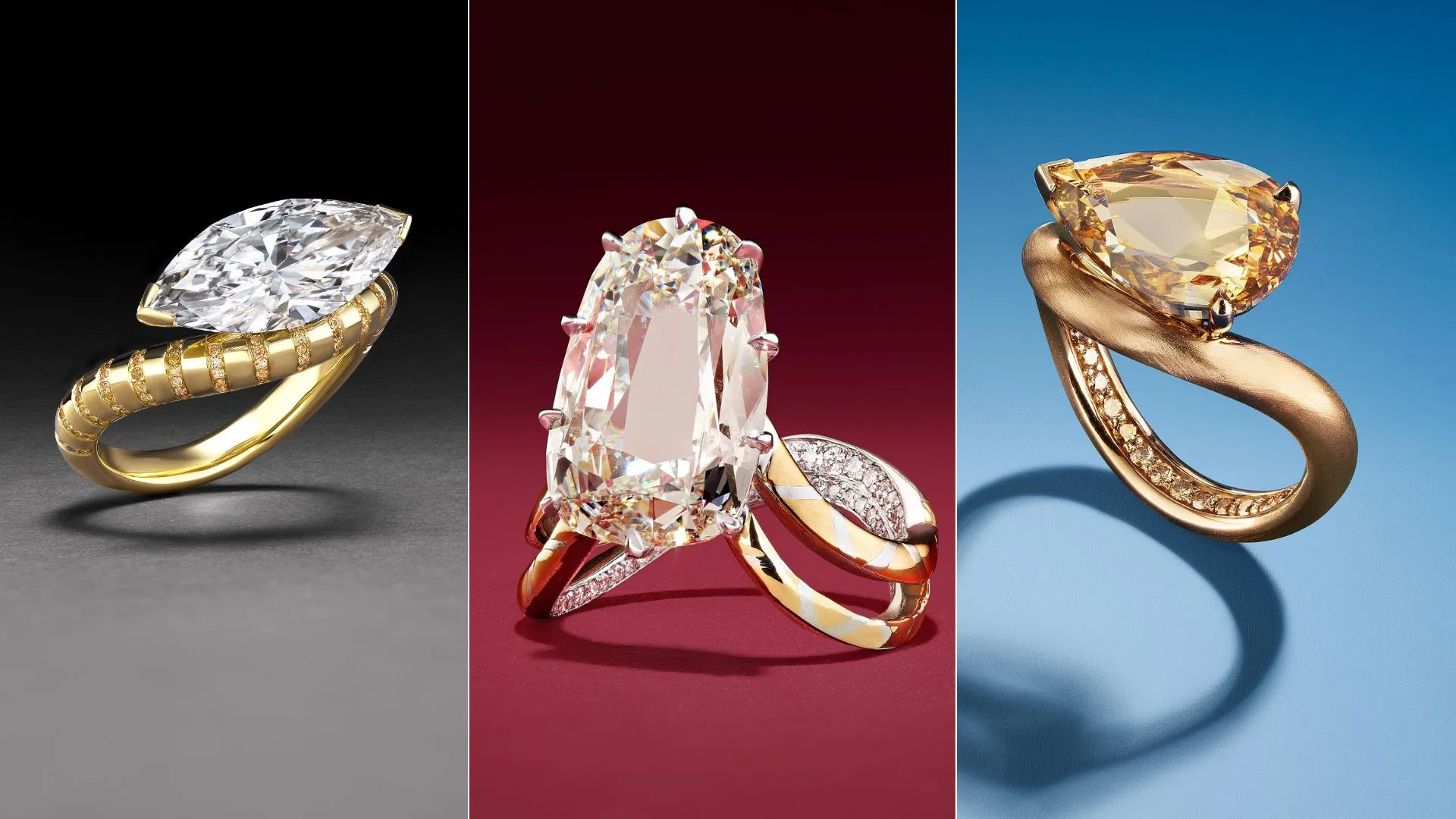
Buying a diamond online used to feel risky, but brands like Bluenile changed that perception. With competitive pricing, a wide selection, and a strong digital presence, Bluenile has become one of the most recognized names in the online jewelry space. But how does it truly compare to other jewelers in today’s evolving market? If you’re considering a purchase, especially something as meaningful as an engagement ring, it’s important to understand where Bluenile stands—and where it may fall short.
Understanding Bluenile’s Business Model
Direct-to-Consumer Approach
Bluenile operates primarily as an online retailer, cutting out many traditional retail costs. This direct-to-consumer model allows Bluenile to offer lower prices compared to brick-and-mortar stores. Customers can browse thousands of diamonds and settings without the pressure of in-store sales tactics.
Large Inventory and Variety
One of the biggest advantages of Bluenile is its extensive inventory. The platform gives users access to a vast selection of diamonds, often sourced from global suppliers. This means shoppers can filter by cut, clarity, carat, and color with ease. However, the sheer volume can sometimes feel overwhelming, especially for first-time buyers.
How Bluenile Compares to Traditional Jewelers
Pricing Differences
Traditional jewelers typically have higher overhead costs, which often translates to higher prices. Bluenile, by contrast, offers more competitive pricing due to its online-only model. This makes Bluenile appealing for budget-conscious buyers.
However, lower prices don’t always mean better value. Some traditional jewelers provide in-person guidance, custom designs, and after-sales services that Bluenile may not fully match.
Customer Experience
When it comes to customer experience, Bluenile focuses heavily on convenience. The ability to shop anytime and compare options side-by-side is a major advantage. That said, traditional jewelers still excel in personalized service, allowing customers to physically inspect diamonds before purchasing—something Bluenile cannot replicate entirely.
Bluenile vs Modern Online Competitors
Rise of Ethical and Lab-Grown Options
In recent years, the diamond industry has shifted significantly toward sustainability and transparency. While Bluenile does offer lab-grown diamonds, many newer competitors focus exclusively on ethical sourcing and environmentally friendly practices.
Consumers who prioritize sustainability may find that Bluenile doesn’t emphasize this aspect as strongly as some alternative brands.
Transparency and Education
Bluenile provides detailed information about each diamond, including certification and specifications. However, some competitors go further by offering high-definition videos, 360-degree views, and deeper educational resources. While Bluenile is informative, it may not always feel as engaging or user-friendly in comparison.
Pros of Choosing Bluenile
Competitive Pricing
Bluenile consistently offers attractive pricing, making it a strong option for buyers looking to maximize value. The cost savings can be significant, especially for higher carat diamonds.
Wide Selection
Few retailers can match the sheer number of options available through Bluenile. Whether you’re looking for a classic solitaire or something more unique, Bluenile likely has multiple choices to fit your preferences.
Trusted Brand Reputation
As one of the pioneers in online diamond retail, Bluenile has built a solid reputation over the years. Many customers trust Bluenile for its reliability and straightforward buying process.
Cons of Choosing Bluenile
Limited Personalization
While Bluenile offers customization options, they may not be as extensive as those provided by boutique jewelers or specialized online brands. If you’re looking for a highly unique design, Bluenile might feel somewhat limiting.
Lack of Physical Interaction
One of the main drawbacks of Bluenile is the inability to see diamonds in person before purchasing. Even with detailed images and descriptions, some buyers prefer the reassurance of a physical inspection.
Sustainability Concerns
Although Bluenile has made efforts to include lab-grown diamonds, it doesn’t position itself as a sustainability-first brand. This can be a deciding factor for environmentally conscious consumers exploring alternatives to Bluenile.
Who Should Consider Bluenile?
Bluenile is an excellent choice for buyers who value affordability, convenience, and a wide selection. If you’re comfortable making a purchase online and have done your research, Bluenile can offer great value.
However, if you prioritize ethical sourcing, unique designs, or a more personalized experience, you may want to explore other jewelers alongside Bluenile. The decision ultimately depends on what matters most to you.
Final Thoughts: Is Bluenile the Right Choice?
Bluenile remains a strong player in the diamond market, especially for those seeking competitive pricing and convenience. It has successfully made diamond buying more accessible and less intimidating for online shoppers. However, as the industry evolves, expectations around sustainability, transparency, and personalization continue to grow.
Before making a final decision, compare Bluenile with other jewelers to ensure it aligns with your priorities. Whether you value cost savings, ethical sourcing, or custom craftsmanship, taking the time to evaluate your options will lead to a more satisfying purchase. In the end, Bluenile can be a great choice—but only if it matches your needs in today’s competitive diamond landscape.