Understanding Austin's Construction Boom
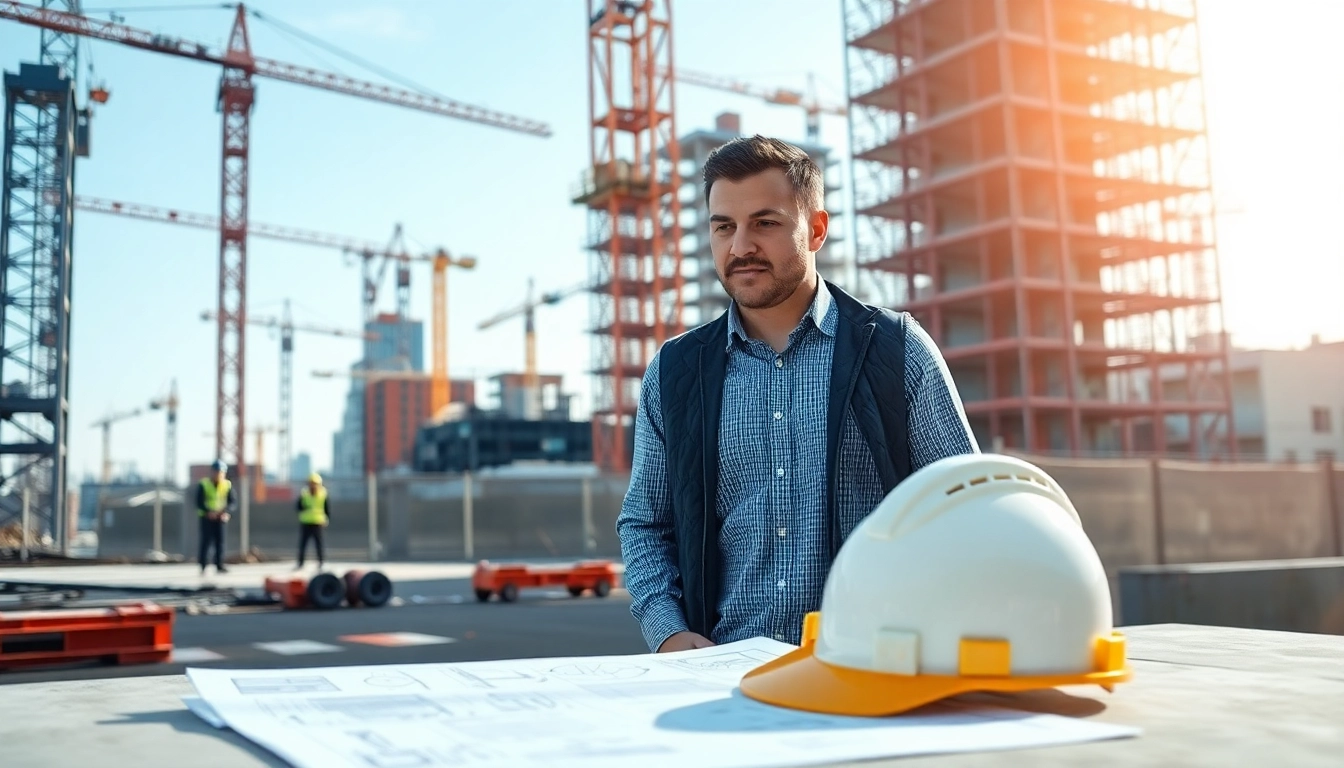
Austin, Texas, has seen an unprecedented surge in construction activities over the past decade, making it a focal point for development in the United States. With a rapid influx of residents, a growing economy, and constant innovation in building techniques, the city's construction landscape is evolving rapidly. This article delves into the multi-faceted aspects of the Austin construction scene, exploring the driving factors behind its growth, types of projects underway, challenges faced, and future prospects.
The Factors Driving Construction Growth
Several factors contribute to the robust construction boom in Austin. Primarily, the city's economy is thriving, fueled by a burgeoning tech sector that attracts professionals from various backgrounds. Additionally, Austin enjoys a reputation as a desirable place to live, with its vibrant culture, educational institutions, and recreational opportunities drawing newcomers.
Population growth has been a significant driver. Recent reports indicate that Austin's population has grown by 10.9 percent from 2020 to 2024, making it the fastest-growing metro area in the U.S. This rapid expansion has created a corresponding demand for housing, commercial spaces, and infrastructure development, placing immense pressure on the construction industry to keep pace.
Demographics and Demand Insights
The demographic trends in Austin reveal a diverse population, with a significant proportion of young professionals and families relocating to the area. This demographic shift not only increases demand for housing but also necessitates the development of amenities such as schools, parks, and healthcare facilities. Studies suggest that the demographic makeup of newcomers significantly influences construction trends, with preferences leaning towards urban-style living spaces and mixed-use developments.
Economic Impacts on Construction Projects
The economic landscape increasingly affects the types of construction projects initiated in Austin. With substantial investments in technology and innovation, the city has positioned itself as a hub for startups and established tech companies. This economic vitality translates into investments in commercial spaces, such as office buildings and coworking facilities, further propelling the demand for construction services.
Moreover, local government initiatives aimed at stimulating economic development are fostering an environment conducive to construction growth. Incentives for developers, streamlined permitting processes, and public-private partnerships are just a few strategies employed to bolster the construction sector.
Types of Construction Projects in Austin
Residential Development Trends
The rapid population growth has precipitated a remarkable surge in residential development projects across Austin. The city has seen a notable focus on mixed-use developments, combining residential units with retail and entertainment spaces. This trend caters to the lifestyle preferences of younger residents seeking community-oriented environments.
In addition to traditional single-family homes, the construction of multi-family housing units has increased dramatically. High-rise apartment buildings are sprouting throughout urban areas, driven by the demand for more affordable housing options amidst rising property prices.
Commercial Construction Overview
Austin's commercial construction market is characterized by significant investment in office spaces and retail centers. As companies continue to establish their operations in the city, the demand for modern, adaptable office spaces has skyrocketed. Developers are now focusing on constructing eco-friendly and technologically advanced commercial facilities to attract tenants.
Furthermore, Austin's appeal as a cultural and entertainment hub has driven investments in various commercial ventures, including restaurants, bars, and shopping centers. The commercial construction landscape is becoming increasingly competitive, with developers striving to incorporate innovative designs and sustainable building practices.
Infrastructure Projects and Their Importance
Infrastructure development is paramount to supporting Austin's rapid growth. Significant investments are being made in transportation infrastructure, including road expansions, public transit improvements, and airport upgrades. The ongoing expansion of the Austin-Bergstrom International Airport is a prime example, anticipated to facilitate an increase in passenger capacity and improve overall connectivity.
Moreover, the city's infrastructure projects extend to utilities and public services, including water treatment facilities and waste management systems, ensuring that Austin can sustain its growing population while maintaining a high quality of life.
Challenges Facing the Austin Construction Industry
Workforce Shortages and Solutions
Despite the optimistic outlook for construction in Austin, several challenges persist. One of the most pressing issues is the shortage of skilled labor in the construction industry. The demand for construction workers has outpaced the available skilled labor pool, leading to project delays and increased costs.
To address workforce shortages, local trade schools and vocational programs are focusing on training new talent. Collaborations between educational institutions and construction companies are crucial for creating apprenticeship programs that equip individuals with the skills necessary for the industry.
Regulatory Hurdles in Construction
Navigating regulatory frameworks can also pose challenges for construction companies in Austin. The permitting process can be lengthy and complex, creating hurdles for project timelines. Strict zoning laws and environmental regulations require meticulous planning and compliance, which may further delay projects.
Constructing a proactive relationship with local government bodies and advocacy for policy reforms can mitigate some of these challenges. Engaging in community outreach and ensuring compliance with regulations can pave the way for smoother project approvals.
Rising Material Costs and Budget Management
Another significant challenge facing the construction industry in Austin is the rising cost of building materials. Fluctuations in global supply chains have led to increased prices for essential commodities like lumber, steel, and concrete. These cost escalations can strain project budgets, impacting overall feasibility.
To counteract the effects of rising material costs, construction companies can adopt strategies such as bulk purchasing agreements and exploring alternative materials. Furthermore, effective project management practices that include contingency budgeting can help manage unexpected cost variations.
Innovations Transforming Austin Construction
Green Building Practices and Sustainability
The push for sustainable construction practices is gaining momentum in Austin. Developers are increasingly adopting green building certifications such as LEED (Leadership in Energy and Environmental Design) to promote environmentally friendly construction methods. This trend fosters the use of renewable materials, energy-efficient technologies, and sustainable site management practices.
Incorporating green spaces and utilizing environmentally sensitive designs contribute to healthier living environments, ultimately appealing to the eco-conscious demographic in Austin.
Technology in Construction Management
Technology is revolutionizing the construction industry, and Austin is at the forefront of this transformation. Construction management software and Building Information Modeling (BIM) have become essential tools for improving project efficiency, budget management, and collaboration among stakeholders.
Additionally, the integration of drones and 3D printing technology is further enhancing the construction process, enabling real-time site surveys and rapid prototyping of components, thereby reducing lead times and costs.
Smart Buildings and Urban Design Trends
The concept of smart buildings is reshaping the landscape of construction in Austin. These buildings incorporate advanced technologies that optimize energy use, improve occupant comfort, and enhance security. Features like smart lighting systems, automated climate controls, and integrated security systems are becoming standard in new developments.
Urban design trends also reflect a shift toward creating pedestrian-friendly environments with an emphasis on walkability, bike access, public spaces, and community gardens—all of which enrich the urban experience and promote sustainable lifestyles.
Future Outlook for Austin Construction
Predicted Growth Areas through 2025
Looking ahead, Austin's construction industry is poised for continued growth, particularly in sectors such as residential, commercial, and infrastructure development. The demand for housing is expected to remain robust, with ongoing projects focusing on both affordability and aesthetics to cater to the diverse needs of residents.
Moreover, adaptive reuse projects—where older buildings are repurposed for modern uses—are increasingly gaining traction, providing a sustainable solution to urban space constraints while preserving cultural heritage.
Infrastructure Investments on the Horizon
Future infrastructure investments indicate a commitment to improving the city's transport networks, public utilities, and green spaces. Upcoming initiatives, such as expanded public transit systems and enhancements to roadways, will further address the mobility challenges associated with rapid growth. These projects are essential for ensuring that Austin can handle its current and future population efficiently.
Strategic Development Goals for the City
In alignment with its expected growth, Austin's strategic development goals focus on creating a balanced and sustainable urban environment. The city's plans emphasize mixed-use developments, community engagement in planning processes, and the promotion of environmentally sustainable practices.
As Austin continues to evolve, staying true to these strategic goals will be vital for maintaining the city's cultural identity and enhancing residents' quality of life while accommodating the construction needs of a vibrant and growing community.