Understanding the Basics of Fly Fishing Line
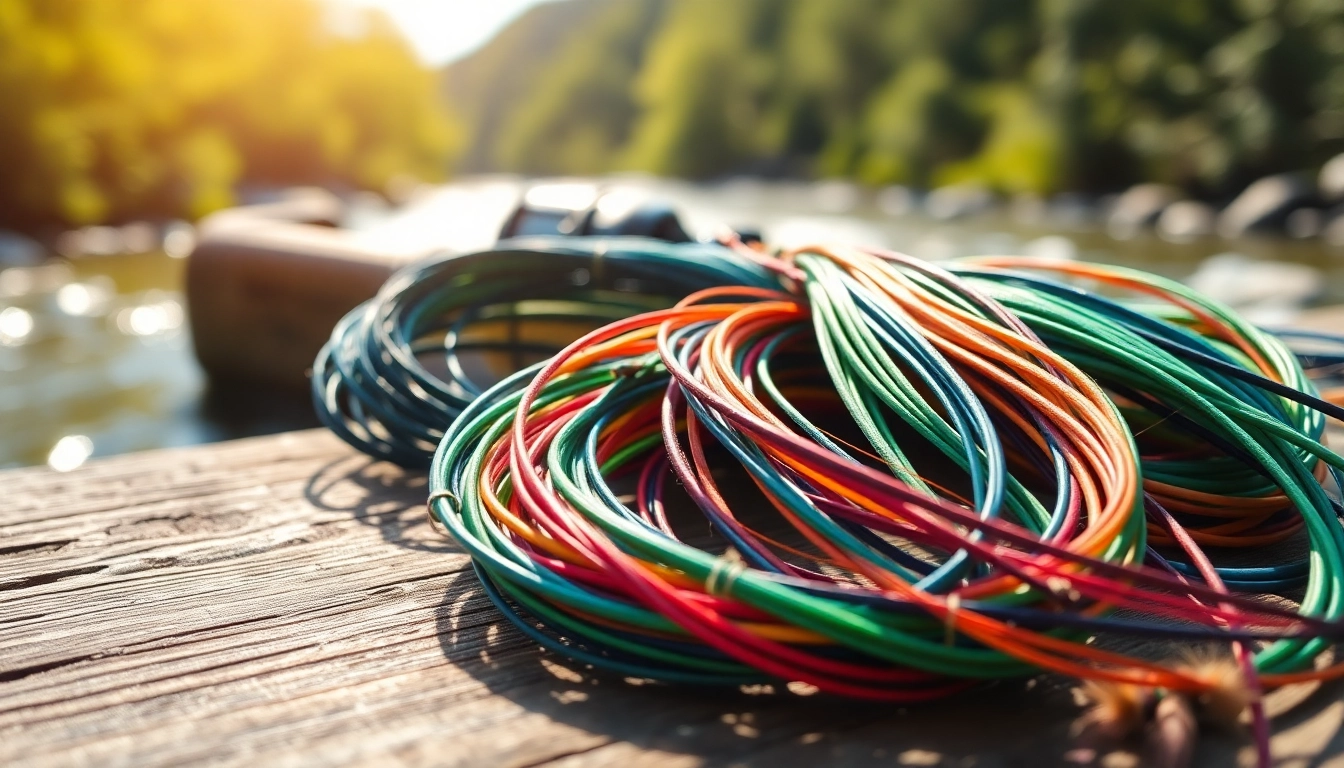
Fly fishing is an art that combines skill, patience, and the right gear. Central to this challenge is the Fly fishing line, a key component that can significantly influence your fishing success. Whether you're a novice or an experienced angler, understanding the foundational aspects of fly fishing line is crucial. This article delves deep into what makes a fly fishing line effective, the various types available, and how to choose the right one for your needs.
What is a Fly Fishing Line?
A fly fishing line is a specially designed line used to cast artificial flies to fish. Unlike traditional fishing lines, which focus on strength and invisibility for sinking baits, fly fishing lines are heavier and come with a unique taper design. This taper allows for efficient casting of lightweight flies, providing the angler with better control and distance. The line’s weight, density, and floatation properties are essential in determining how well the fly behaves in the water.
Types of Fly Fishing Line
There are several types of fly fishing lines tailored for different fishing techniques and conditions. Here’s a breakdown of the most common types:
- Weight Forward (WF) Line: This is the most prevalent type of fly line. It has a thicker front taper which allows for better casting distance and accuracy. Suitable for all types of freshwater and saltwater fishing.
- Shooting Head Lines: These are shorter lines that are heavy in the front, designed for quick casting. Ideal for expert anglers targeting specific spots.
- Double Taper (DT): A finer line that is bulky in the middle with tapering at both ends. This type is great for delicate casts and is especially beneficial for small streams.
- Full Sink Lines: These lines sink completely under the water surface, making them ideal for targeting fish that are submerged at various depths.
- Floating Lines: These lines float on the water’s surface, making them perfect for dry fly fishing where presentation is key.
Choosing the Right Weight
Selecting the correct weight of fly line is crucial. It must match the weight of your fly rod to ensure optimal performance. Fly lines are typically classified by weight, ranging from 1 to 12, with lower numbers designed for lighter rods and smaller flies, while heavier weights accommodate larger rods and flies. Common scenarios include:
- Weight 4-5: Ideal for trout fishing in smaller streams or lakes.
- Weight 6-7: Suitable for larger freshwater species, like bass and pike.
- Weight 8-10: Best for saltwater fishing or targeting larger freshwater species.
Key Features of a Quality Fly Fishing Line
Not all fly fishing lines are created equal. When evaluating the quality of a fly fishing line, several key features should be considered:
Material Considerations
Fly fishing lines are generally made from two materials: PVC and polyurethane. PVC lines are more affordable and durable but can be less supple in cold water. Polyurethane lines, on the other hand, are more flexible, provide better casting and performance, and are preferred by many professionals due to their superior performance in varying conditions.
Taper Design and Its Importance
The taper design of a fly line affects its casting ability. Tapers can range from aggressive to gradual, impacting how energy transfers from the rod to the line. Aggressive tapers facilitate longer casts, while gradual tapers help with short, delicate presentations. Understanding these options allows anglers to choose a line that matches their style.
Coating and Durability
The coating of a fly fishing line protects it from UV rays, wear, and tear. A high-quality line will have a hydrophobic coating that repels water, allowing it to maintain its performance in diverse conditions. Durability is crucial, so invest in a line that guarantees longevity without sacrificing performance.
How to Properly Maintain Your Fly Fishing Line
Proper maintenance of your fly fishing line can prolong its life and performance. Here are essential maintenance practices:
Cleaning Techniques
Regular cleaning helps remove dirt, salt, and algae that can degrade the line. Rinse the line with freshwater after each use, especially after fishing in saltwater. Use a gentle soap when necessary, and allow it to air dry completely to prevent mildew.
Storing Your Fly Fishing Line
Proper storage is key in maintaining fly line integrity. Store lines on their original spool in a cool, dark place to avoid excessive heat and light exposure. Additionally, avoid tight coils which can create memory that affects the line's performance during casting.
Common Repairs and When to Replace
Inspect your fly line for nicks, cracks, or signs of wear. Small damages can often be repaired using line mending fluid, but ultimately, if the line has significant issues, it’s wise to replace it to ensure efficient casting.
Using Fly Fishing Line for Different Techniques
Each fly fishing technique may require different line attributes. Understanding these techniques will enhance your success rate:
Dry-Fly Fishing
For dry-fly fishing, a floating line is essential, as it keeps the fly on the surface. You should opt for a line with a long front taper to facilitate delicate presentations and help the flies land softly on the water.
Nymphing Strategies
When nymphing, using a sinking line can be advantageous. These lines help deliver your nymph to the fish’s level quickly and effectively, improving your chances of a strike. Consider using a split shot or indicator to enhance control.
Streamers and Larger Flies
When targeting larger fish with streamers, a weight forward line is recommended. This will provide the necessary weight to cast heavier flies and allows for quick retrieval, making it easier to entice predatory species.
FAQs About Fly Fishing Line Selection and Use
What type of fly line should I use for beginners?
For beginners, a Weight Forward (WF) line is recommended as it offers a balance of ease and performance, allowing for simpler casting techniques while still suitable for various conditions.
How often should I clean my fly fishing line?
It’s best to clean your fly fishing line after every use, especially after fishing in saltwater. Regular maintenance helps extend the life and performance of the line.
What is the best way to store my fly fishing line?
Store your fly fishing line on the original spool in a cool, dark place. Make sure to avoid tight coils that can create memory issues, affecting future casting accuracy.
When should I replace my fly fishing line?
Replace your fly fishing line if there's visible wear like cracks, nicks, or if it exhibits poor performance. Regular inspections can help determine the right time for replacement.
Can I use saltwater line in freshwater?
Yes, you can use saltwater fly lines in freshwater. However, they’re often heavier and designed for different conditions. Using them in freshwater may change your casting dynamics.