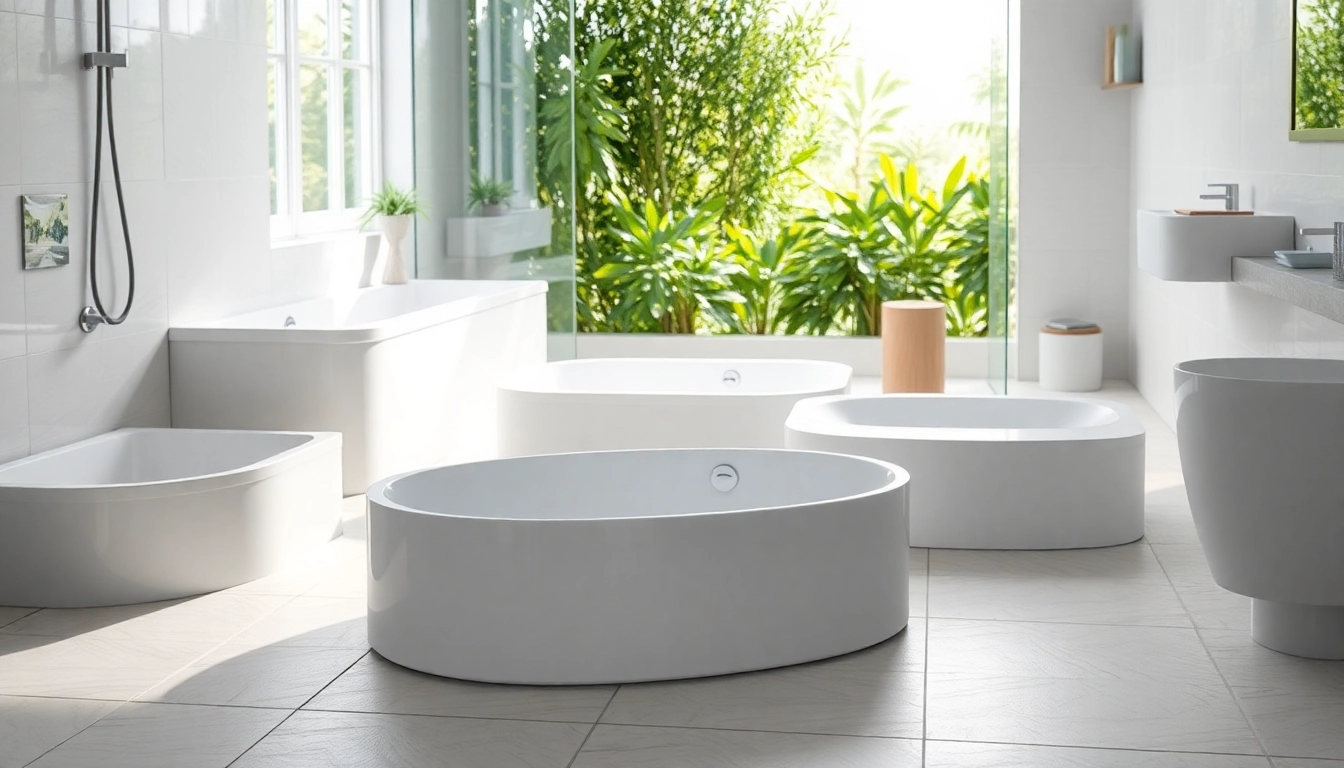
Understanding Different Types of Shower Bases
When it comes to designing a bathroom, one of the most critical components is the shower base. The shower base defines both the functionality and aesthetic of your space. With a variety of styles and materials available, understanding your options can help you make an informed decision that best suits your needs and preferences. This section explores the different types of shower bases available on the market today.
Common Materials Used for Shower Bases
Shower bases can be constructed from a range of materials, each offering unique benefits:
- Acrylic: Lightweight and easy to install, acrylic shower bases are popular for their glossy finish and resistance to stains and molds.
- Fiberglass: An economical option, fiberglass shower bases are durable and lightweight but can be easily scratched and discolored over time.
- Solid Surface: These bases are made from a blend of acrylic and polyester, providing a seamless look and exceptional durability, making them ideal for custom installations.
- Tile: A classic option, tiled shower bases offer design flexibility. However, they require regular maintenance and proper sealing to prevent moisture problems.
- Stone: For a luxurious finish, stone bases, such as granite or marble, provide natural beauty and heat retention, but they come with a higher price tag and may require more maintenance.
Design Variations for Every Bathroom Style
The design of your shower base can significantly impact your bathroom's overall look. There are various styles available:
- Curbless Shower Bases: Providing a seamless transition between the bathroom floor and the shower, curbless designs enhance accessibility and create a sleek modern appearance.
- Square or Rectangular Shower Bases: These bases are the most common and versatile, fitting easily into various bathroom layouts.
- Neo-Angle Shower Bases: Ideal for smaller spaces, neo-angle bases fit snugly into corners, maximizing the available area.
- Custom Shower Bases: Tailored to your exact specifications, custom bases can accommodate any shape or size, allowing for unlimited creativity and personalization.
Choosing the Right Size for Your Space
The size of your shower base is crucial for functionality and comfort:
- Standard Sizes: Many manufacturers offer standard sizes; knowing the dimensions of your space helps in selecting the right fit.
- Custom Sizes: If you have unique dimensions, custom shower bases can be designed to fit any space.
- Consider Your Shower Features: Take into account additional features like built-in benches or shelves when determining the size.
Benefits of Installing a Quality Shower Base
Investing in a quality shower base pays dividends in multiple ways:
Enhanced Water Drainage and Maintenance
Quality shower bases are typically designed for optimal water drainage, preventing standing water and potential mold growth. Proper sloping ensures that water flows efficiently toward the drain, making them easier to clean and maintain over time.
Improved Bathroom Aesthetics and Functionality
A well-designed shower base enhances the overall look of your bathroom. With various styles and finishes available, it can complement your decor while providing a functional space for daily use. An aesthetically pleasing bathroom can increase the value of your home!
Durability and Longevity Insights
High-quality materials can withstand the test of time, resist wear and tear, and maintain their appearance. This longevity means that you’ll save money in the long run as you won’t need to replace your shower base frequently.
Installation Process for Shower Bases
Installing a shower base can be a DIY project or a professional job. Understanding the process is crucial for ensuring a successful installation:
Preparing Your Bathroom for Installation
Before installation, ensure your bathroom is ready:
- Remove Existing Fixtures: Clear out the area and remove any existing shower base or tub.
- Check Plumbing: Ensure your plumbing is updated and in good working condition.
- Level the Floor: Your bathroom floor should be level to install the shower base correctly.
Step-by-Step Installation Guide
Here’s a basic guide for installing a shower base:
- Dry Fit the Base: Place the shower base in position to ensure a proper fit before securing anything.
- Install the Drain: Follow the manufacturer’s instructions to install the drain fitting correctly.
- Secure the Base: Using a suitable adhesive or mortar, secure the base to the floor.
- Connect to Plumbing: Attach the drain pipes to your plumbing system, ensuring there are no leaks.
- Seal Edges: Once the base is set, seal around the edges with silicone to prevent water leaks.
Common Pitfalls to Avoid
To ensure a successful installation, be wary of these common mistakes:
- Neglecting Proper Drainage: Ensure the base is sloped correctly to avoid standing water.
- Poor Sealant Application: Insufficient sealing around the edges can lead to leaks and mold growth.
- Ignoring Manufacturer Instructions: Always follow the guidelines provided to avoid warranty issues and installation faults.
Comparing Shower Bases: Price and Value
Understanding the cost factors involved in purchasing a shower base can help ensure you receive good value for your investment. Here are some considerations:
Understanding Cost Factors in Shower Bases
Several elements affect the price of a shower base, including:
- Material Choice: Higher-quality materials like stone will usually cost more than acrylic or fiberglass.
- Brand Reputation: Trusted brands may charge a premium but often provide superior products.
- Customization Options: Custom sizes and features will generally drive up the price as compared to standard options.
Quality vs. Price: Making Informed Decisions
It’s essential to balance cost with quality. Investing in a more expensive shower base can pay off in durability and maintenance savings over the years. Evaluate reviews, warranty policies, and material composition when weighing your options.
Where to Find the Best Shower Bases
To locate the best shower bases, check home improvement stores, specialized bathroom retailers, and online marketplaces. Comparing prices and checking customer reviews can guide you to make the right choice.
FAQs About Shower Bases
What is the best material for a shower base?
The best material depends on your needs; acrylic is lightweight and easy to maintain, while stone offers luxury and durability.
How often should shower bases be replaced?
Typically, a shower base should last 10-20 years. However, signs of wear or damage may require earlier replacement.
Can I install a shower base myself?
Yes, if you have basic plumbing and construction skills. However, hiring a professional may ensure a better installation.
Are shower bases slip-resistant?
Many modern shower bases offer slip-resistant surfaces, enhancing safety, especially in wet conditions. Check product specifications.
What maintenance do shower bases require?
Regular cleaning with mild soap and water is generally sufficient. Check for any cracks or leaks periodically to maintain integrity.