Understanding Custom Steel Fabrication
Defining Custom Steel Fabrication
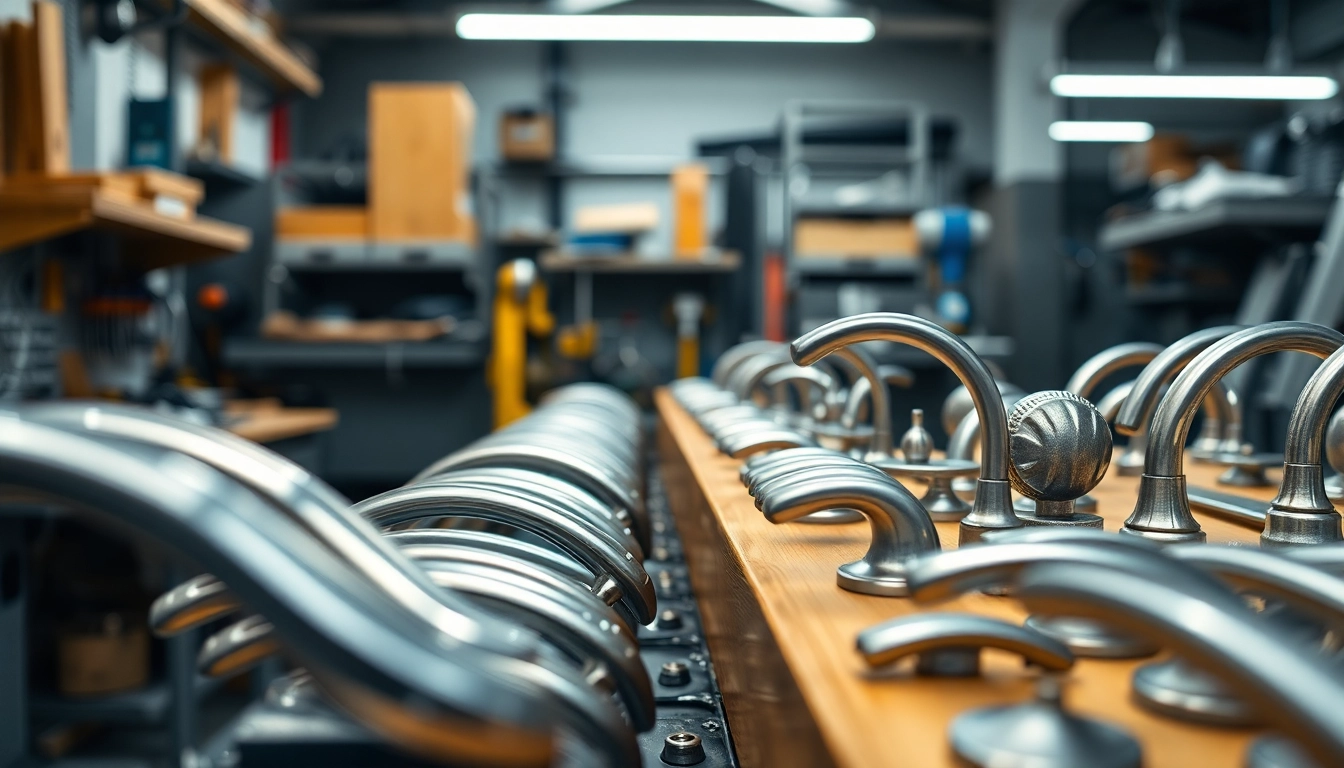
Custom steel fabrication is the process of creating steel structures or components tailored to specific requirements and designs. Unlike standard fabrication, which relies on pre-existing templates and dimensions, custom fabrication offers flexibility and innovation. It encompasses a variety of manufacturing techniques, including cutting, bending, and welding, to transform raw steel materials into customized products that meet unique design specifications and functional needs.
The custom steel fabrication process typically involves several stages, including consultation, design, engineering, and production. This holistic approach ensures that products not only meet the aesthetic demands of clients but also adhere to safety and performance standards. Different industries may utilize custom steel fabrication for various applications, ranging from industrial machinery to intricate architectural elements.
Key Benefits for Industries
Custom steel fabrication comes with numerous advantages for various industries. Here are some key benefits:
- Tailored Solutions: Every project is unique, and custom fabrication allows businesses to create products specifically designed to their needs, enhancing functionality and efficiency.
- Increased Durability: Custom steel products are designed to be robust and long-lasting. This improves safety and performance in demanding environments.
- Cost-Effectiveness: While the upfront costs may be higher than off-the-shelf products, customized fabrication can lead to savings in long-term maintenance and replacement costs due to superior durability.
- Improved Aesthetics: For architectural projects, custom fabrication offers aesthetic flexibility, enabling designers to achieve visually stunning results that align with the overall vision.
Common Applications and Uses
Custom steel fabrication serves a multitude of applications across various industries:
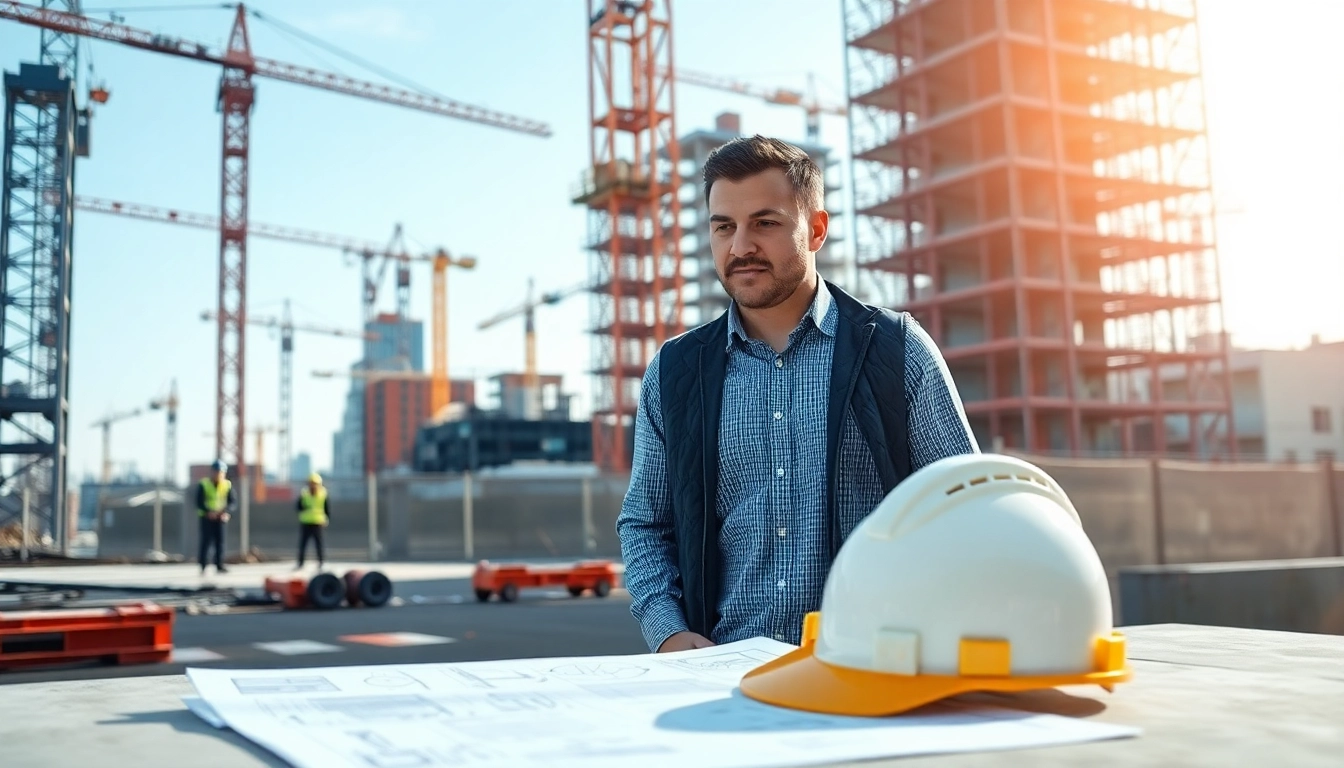
- Construction: Custom steel beams, columns, and trusses are used extensively in commercial and residential buildings.
- Automotive: Fabricated components are crucial in manufacturing vehicles, including chassis and frames, which require high strength and precision.
- Aerospace: The aerospace sector relies on custom-steel parts for structural integrity and performance in aircraft design.
- Marine: Shipbuilding often involves custom fabrication for hulls, frames, and other critical components that must withstand harsh marine environments.
- Art and Architecture: Custom steel is frequently used in artistic installations and architectural features, including sculptures and decorative facades.
Choosing the Right Fabrication Services
Evaluating Fabrication Companies
Choosing the right custom steel fabrication service is paramount to the success of your project. Here are the criteria to consider when evaluating potential fabrication companies:
- Experience: Look for a company with a proven track record in custom fabrication projects similar to yours.
- Capabilities: Assess the technical capabilities of the fabricator, including machinery, technology, and skilled workforce.
- Quality Certifications: Verify if the company holds relevant certifications (e.g., ISO certification), which can indicate a commitment to quality standards.
- Client Reviews: Research client testimonials and case studies to gauge satisfaction levels and performance reliability.
- Project Management: Inquire about their project management approach, including timelines, communication, and delivery schedules.
Questions to Ask Your Fabricator
When selecting a custom steel fabrication company, it’s important to ask the right questions to ascertain if they are the right fit for your project:
- What is your experience with similar projects and clients?
- Can you provide references or case studies from past projects?
- What fabrication techniques and technologies do you utilize?
- How do you ensure quality control during the fabrication process?
- What is your estimated timeline for project completion?
Comparison of Fabrication Techniques
There are several techniques used in custom steel fabrication, each offering different advantages suited for specific applications:
- Laser Cutting: Offers precision and versatility in cutting steel into complex shapes and designs.
- CNC Machining: Provides high accuracy and reproducibility, making it suitable for components with exact specifications.
- Plasma Cutting: A cost-effective method for cutting thick metal sheets, ideal for larger projects.
- Welding: Essential for joining various steel components; techniques include MIG, TIG, and arc welding.
- Bending: Custom metal bending can create various angles and shapes, crucial for architectural and industrial applications.
Best Practices in Custom Steel Fabrication
Staying Compliant with Regulations
Compliance with industry standards and government regulations is vital in custom steel fabrication. Companies must adhere to safety standards such as OSHA (Occupational Safety and Health Administration) regulations, as well as local building codes and environmental guidelines.
To ensure compliance:
- Regularly review and update safety protocols, training staff on new regulations.
- Work with fabrication professionals who understand the legalities of your industry.
- Document all compliance processes and maintain records of inspections and certifications.
Implementing Quality Control Measures
Quality control is essential in ensuring that fabricated products meet the required standards. Key measures include:
- Inspection Procedures: Implement a robust inspection process at different stages of the fabrication process to detect faults early.
- Testing for Strength: Regularly test products for structural integrity and performance under operational conditions.
- Feedback Loop: Gather feedback from clients and adjust processes based on their insights to continually improve quality.
Reducing Manufacturing Waste
In a world increasingly focused on sustainability, reducing waste in the steel fabrication process is crucial. Effective waste reduction strategies include:
- Efficient Design: Use software tools to optimize designs, minimizing scrap materials.
- Recycling Scrap Steel: Implement a recycling program for scrap material, transforming waste into reusable resources.
- Supplier Partnerships: Work closely with suppliers to ensure materials are delivered in forms that minimize waste generation.
Case Studies in Successful Projects
Innovative Uses of Custom Steel Fabrication
Examining specific case studies showcases the innovative applications of custom steel fabrication:
One exceptional project involved the construction of a state-of-the-art bridge using custom fabricated steel components. The design utilized lightweight steel trusses that reduced the overall material needed while maintaining structural integrity, resulting in significant cost savings and a faster construction timeline.
Another notable example is a custom-designed steel art installation in a public park. The artistic elements were fabricated to withstand the elements while providing an engaging visual experience for visitors.
Before-and-After Project Insights
Before-and-after case studies reveal the transformative impact of custom steel fabrication:
For example, a manufacturing facility faced safety issues due to outdated machinery and infrastructure. After implementing custom steel solutions, including support frames and safety enclosures, the site saw a 30% decrease in workplace accidents and increased overall productivity.
Client Testimonials and Feedback
Feedback from clients offers insights into the efficacy of fabrication services:
"The custom steel solutions provided not only improved the safety of our operations but also enhanced the overall aesthetic appeal of our facility." - Manufacturing Client
"The attention to detail and commitment to quality in our project was evident from start to finish. Highly satisfied with the results!" - Architectural Client
Future Trends in Steel Fabrication
Emerging Technologies and Techniques
The steel fabrication industry is continuously evolving with new technologies. Emerging trends include:
- 3D Printing: Advances in additive manufacturing are allowing the construction of complex steel components more efficiently.
- Automation: The use of robotic systems in fabrication processes can increase productivity and precision while reducing labor costs.
- Smart Fabrics: Incorporating smart technology into steel products for real-time monitoring and enhanced functionality.
Environmental Sustainability in Fabrication
Sustainability is becoming a pivotal factor in steel fabrication. Innovations aimed at reducing carbon footprints include:
- Green Steel: Investment in sustainable steelmaking processes and materials to reduce global emissions.
- Energy-Efficient Operations: Adoption of energy-efficient processes during manufacturing to lower overall environmental impact.
- Lifecycle Assessments: Implementing assessments to evaluate and minimize the environmental effects of fabricated products.
Adapting to Market Changes
Markets are dynamic, and so is the need for fabrication services to adapt to fluctuating consumer demands and technological advancements. Companies should:
- Remain abreast of industry trends and consumer preferences.
- Invest in employee training and development to foster innovation.
- Collaborate with technology partners to integrate new tools and techniques into existing processes.