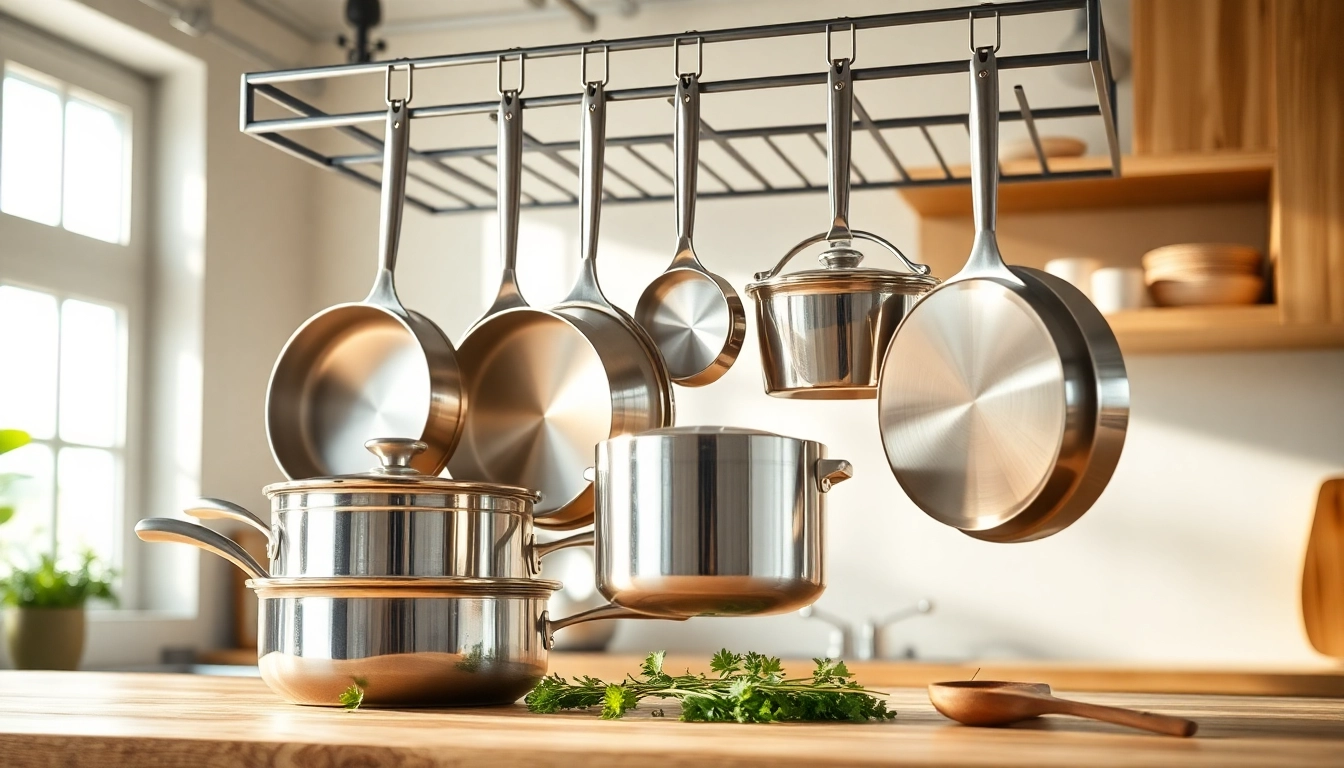
Understanding Different Types of Cookware
Overview of Cookware Materials
Cookware comes in a variety of materials, each with unique properties that influence cooking performance. The most common materials used in cookware include stainless steel, cast iron, non-stick, carbon steel, and ceramic. Cookware made from stainless steel is favored for its durability and resistance to rust and corrosion. Cast iron provides excellent heat retention and even cooking, making it ideal for slow braising and frying. Non-stick focuses on easy release and minimal oil use, while carbon steel combines the properties of cast iron and stainless steel, providing a versatile option that can withstand high heats. Ceramic cookware is praised for its non-reactive surface and design aesthetics, often available in vibrant colors.
Benefits of Non-Stick Cookware
Non-stick cookware has become increasingly popular for its ease of use and convenience. The key benefit is the reduced need for oils and fats when cooking, which makes it an appealing choice for healthy meal preparation. Food slides off easily, simplifying both cooking and cleanup. Additionally, non-stick surfaces are generally lighter than their stainless steel or cast iron counterparts, making them more manageable for everyday cooking. Nevertheless, it’s essential to consider the longevity of non-stick coatings; they can wear over time and may require replacement more often than other types of cookware.
Choosing the Right Cookware for Your Cooking Style
Selecting the appropriate cookware largely depends on individual cooking styles. For those who frequently sear meats or want to achieve perfect caramelization, stainless steel or cast iron is advisable. Non-stick is ideal for delicate items like eggs and pancakes, while ceramic suits those who prioritize aesthetics in their kitchen. Home chefs should assess their habits—those often using high heat would benefit from durable materials like stainless steel or carbon steel, while casual cooks might gravitate towards non-stick options for convenience.
How to Properly Care for Your Cookware
Cleaning Techniques for Various Cookware Materials
Proper care of cookware can significantly extend its lifespan. Stainless steel cookware can be cleaned by soaking in warm soapy water after use, then scrubbing with a non-abrasive sponge for stuck-on residues. Cast iron requires slightly more attention; it should never be soaked and needs to be dried immediately after washing to prevent rusting. A lightly oiled surface can help maintain its seasoning. Non-stick cookware requires gentle cleaning with a soft cloth or sponge and should avoid harsh scrubbing pads.
Maintaining Non-Stick Surfaces
To maintain the integrity of non-stick surfaces, it’s crucial to avoid metal utensils that can scratch the coating. Instead, opt for wooden or silicone tools. Additionally, avoid cooking sprays that can leave a residue, opting instead for minimal oil applied directly on the surface. Clean after each use with warm, soapy water to uphold non-stick effectiveness. Keeping non-stick cookware away from high heats can further protect its coating.
Storing Cookware: Best Practices
Storing cookware properly can reduce wear and tear. Stackable designs can maximize space, but be cautious to place a protective layer, such as a cloth or paper towel, between pieces to prevent scratching. Hanging cookware not only saves space but allows for easy accessibility—plus, it serves as a kitchen aesthetic. Moreover, consider using lids for pots and pans to keep dust and debris at bay.
Top Cookware Brands and Their Offerings
High-End Cookware Options
For those seeking premium cookware, several high-end options deliver exceptional performance and longevity. These brands generally offer cookware crafted from professional-grade materials, such as tri-ply construction for optimal heat distribution. These options cater to serious culinary enthusiasts who appreciate the benefits of investing in quality. High-end cookware is designed to endure daily use while providing consistent cooking results.
Affordable Cookware for Home Cooks
Affordable cookware options are available for home cooks who seek quality without a significant financial commitment. These can range from budget-friendly non-stick pans to durable stainless steel sets. Prioritizing versatility and essential pieces, budget cookware can support daily cooking needs while still delivering satisfactory results. These options are ideal for beginner cooks or those looking to expand their kitchen without overspending.
Specialty Cookware Sets for Enthusiasts
For culinary enthusiasts, specialty cookware sets can enhance the cooking experience. These sets may include unique pieces such as woks, Dutch ovens, or specific bakeware that allows for diverse cooking techniques. By including specialized items, these sets enable chefs to explore various culinary traditions, further enhancing their skills and creativity in the kitchen. Specialty cookware often includes features tailored to specific cooking methods, addressing unique cooking challenges.
Innovations in Cookware Design
Eco-Friendly Cookware Solutions
Eco-conscious consumers are driving innovation towards sustainable cookware solutions. Many brands now offer cookware made from recycled materials or that feature non-toxic coatings, reducing environmental impact. Additionally, energy-efficient designs that promote even cooking can help minimize energy consumption, aligning with green cooking practices. With the increasing awareness surrounding sustainability, these eco-friendly options are becoming more prevalent in households worldwide.
Smart Cookware Technologies
As technology advances, so too does cookware. Smart cookware incorporates features such as temperature sensors and app connectivity, allowing users to monitor their cooking progress from their phones. These innovations simplify the cooking process, providing guided recipes and alerts when specific temperatures are reached. The integration of technology enhances both novice and seasoned cooks' experiences, making cooking more efficient and enjoyable.
Heat Distribution and Cooking Efficiency
An often-overlooked aspect of cookware design is heat distribution, which significantly affects cooking efficiency. High-quality materials are engineered for optimal heat conduction, providing even cooking results. Well-designed cookware minimizes hot spots and allows for greater control over cooking temperatures. Understanding heat distribution principles can help cooks choose the right cookware depending on the dishes they prefer to create.
Frequently Asked Questions
What is the best cookware material for all cooking?
While there is no one-size-fits-all answer, stainless steel is often recommended for its versatility, durability, and even heat conduction. However, choosing a material also depends on specific cooking needs and personal preference.
How do I prevent my cookware from scratching?
To prevent scratching, always use silicone, wood, or plastic utensils on non-stick surfaces. For stainless steel or cast iron, avoid abrasive sponges during cleaning to maintain their finish.
Can I put all cookware in the dishwasher?
Not all cookware is dishwasher safe. Always check manufacturer guidelines before placing cookware in the dishwasher, especially non-stick, cast iron, and certain ceramic items that may warp or lose their finish in high heat.
What is the advantage of heavy-bottomed cookware?
Heavy-bottomed cookware provides better heat retention and distribution, minimizing the risk of hot spots that can cause food to cook unevenly or burn. This results in more consistent cooking every time.
How often should I replace my cookware?
Replace your cookware when you notice significant wear, such as chipping or discoloration in non-stick pans or rusting in cast iron. Regular inspection can help you maintain optimal performance in your cooking.