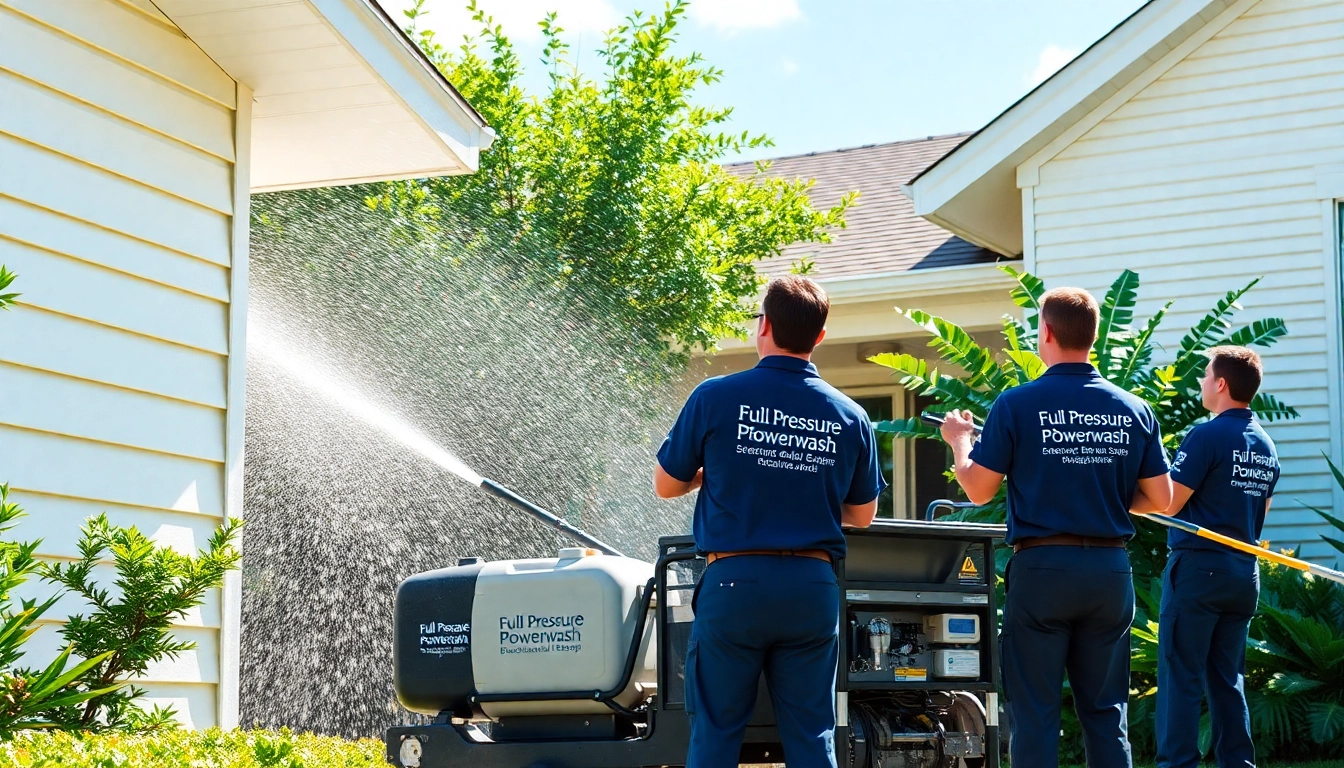
Understanding Soft Washing: The Basics
When it comes to maintaining the curb appeal of your property in Kissimmee, FL, understanding the nuances between pressure washing and soft wash techniques can make all the difference. Soft washing, a technique growing in popularity, utilizes low-pressure water combined with specialized cleaning solutions to tackle the buildup of dirt, mold, and algae on delicate surfaces. Unlike traditional pressure washing, which can be too harsh for certain materials, soft washing provides a gentler yet highly effective cleaning approach while preserving the integrity of your home’s exterior.
What is Soft Washing?
Soft washing is a cleaning method that engages low pressure to apply a combination of water, biodegradable solutions, and sometimes specific chemicals that break down dirt and grime. It is regarded as a safer process for cleaning various surfaces, including roofs, vinyl siding, wooden decks, and painted surfaces. By employing this technique, homeowners can expect a thorough clean without the risk of damage commonly associated with high-pressure washing.
Benefits of Soft Washing Over Traditional Pressure Washing
- Gentler on Surfaces: Soft washing mitigates the risk of damage to softer materials like roof shingles or wood siding.
- Long-Lasting Results: The biodegradable solutions used in the process often contain algaecides that prevent regrowth for months.
- Eco-Friendly Option: Soft washing relies on environmentally safe cleaning agents that are less harmful than the chemicals used in some pressure washing services.
- Effective on Difficult Stains: The use of specialized chemicals can break down tough stains and algae that high-pressure washing may not eliminate completely.
Common Misconceptions About Soft Washing
Despite its growing acceptance, soft washing is often misunderstood. One common myth is that it is merely a less powerful version of pressure washing. While both methods involve the removal of dirt and grime, soft washing is designed to be a complementary service, especially for areas that require a softer touch. Additionally, some people believe that soft washing is not capable of delivering the same cleaning results as pressure washing, which is not true. When performed correctly, soft washing can be just as effective, if not more so, for certain applications.
Choosing the Right Soft Wash Services in Kissimmee
Finding the right service provider for soft washing in Kissimmee requires attention to detail. The quality of the service can significantly impact your property’s appearance and longevity. Here are key considerations when selecting a service.
Factors to Consider When Selecting a Soft Washing Company
- Experience and Expertise: Look for companies with experience in soft washing and a solid understanding of the specific needs of various surfaces.
- License and Insurance: Ensure that the company is licensed and insured to protect yourself from liability in case of any accidents.
- Specialization: Some companies may specialize in certain surfaces, so it’s wise to choose one that aligns with your property’s material types.
- Customer Reviews: Checking customer feedback can provide insight into the company’s quality and reliability.
How to Evaluate Eco-Friendly Soft Washing Practices
Not all soft washing services use eco-friendly methods. When evaluating potential companies, inquire about the types of cleaning agents they use. Look for biodegradable options that minimize environmental impact. Additionally, companies that practice water reclamation demonstrate a commitment to sustainable practices, which is a significant factor to consider.
Customer Testimonials and Their Importance
Customer testimonials can be a valuable resource in your research. Past clients can provide insights into the effectiveness of the service, punctuality, and professionalism of staff. Make it a point to read multiple testimonials to gauge overall satisfaction and build confidence in your chosen service provider.
Preparing Your Home for a Soft Wash
Preparation is key to ensuring your soft washing experience is as effective as possible. By taking a few simple steps, you can help the process run smoothly and yield optimal results.
What to Do Before the Soft Washing Service Arrives
- Clear Areas: Remove any items from around your home that may obstruct the cleaning process, such as planters, furniture, or decorations.
- Communicate Specific Needs: Inform your service provider of any specific areas of concern, like stains or mold spots that need special attention.
- Secure Pets: Keep pets indoors or in a secured area during the washing process to ensure their safety and prevent them from interfering.
Identifying Areas That Need Attention
Before the service arrives, walk around your property and identify areas that are particularly dirty or show signs of mold growth. Providing these insights can help the cleaning team focus on crucial spots that may otherwise be overlooked.
Assessing Weather Conditions for Optimal Results
Weather conditions can significantly influence the effectiveness of soft washing. Ideal conditions are overcast days, as direct sunlight can cause cleaning solutions to dry too quickly, leading to streaks. Keep an eye on the forecast and plan your service for a day with mild temperatures and little wind.
Soft Washing Techniques and Equipment
The effectiveness of soft washing lies not just in the technique itself, but also in the quality of equipment used. Understanding these components can give homeowners a clearer picture of what to expect from the service.
Essential Tools for Effective Soft Washing
- Low-Pressure Nozzles: These specialized nozzles allow for a soft wash without damaging surfaces.
- 12-Volt Battery Operated Sprayers: Ideal for applying cleaning solutions uniformly across surfaces.
- High-Quality Cleaning Solutions: Biodegradable products that effectively eliminate dirt, algae, and mold.
Step-by-Step Guide to Soft Washing Your Home
- Prepare the Area: Clear away obstacles and protect sensitive plants or fixtures.
- Apply Cleaning Solution: Using a sprayer, apply the biodegradable solution to the surfaces to be cleaned.
- Allow Time to Dwell: Let the solution sit for a recommended period for maximum effectiveness.
- Rinse with Low Pressure: Use low-pressure water to rinse the surfaces thoroughly, ensuring no solution remains.
Understanding the Chemicals Used in Soft Washing
The cleaning solutions used in soft washing typically contain a mixture of biodegradable detergents and algaecides. Common components are sodium hypochlorite, which acts as a powerful mold and algae killer, and surfactants that help the solution adhere to surfaces for better cleaning. Understanding these chemicals can help homeowners make informed decisions about their cleaning options.
Maintaining Your Property Post-Soft Wash
Once your home has been soft washed, maintaining its cleanliness is critical. Here are some best practices to extend the life of your clean surfaces.
Best Practices for Keeping Surfaces Clean Longer
- Regular Inspections: Frequently check your property for any signs of dirt or mold regrowth.
- Promptly Address Issues: If you notice any staining or discoloration, address it immediately to prevent further buildup.
- Schedule Routine Cleanings: Consider scheduling soft washing services every 6-12 months to maintain the appearance and health of your home.
When to Schedule Your Next Soft Washing Service
Optimal timing for your next soft wash can depend on various factors, such as weather conditions and the amount of surrounding vegetation. Generally, if you notice a significant buildup of dirt, mold, or algae, it's time to call a professional. A good rule of thumb is to schedule a service before the rainy season or during early spring, when allergens and pollutants are high.
Protecting Your Home from Damage Between Washes
To keep your home looking its best between washes, consider some protective measures. Regularly clean gutters to prevent water buildup and invest in quality materials for roofing and siding that can withstand the elements. Additionally, maintaining landscaping can prevent dirt and debris from accumulating on your home’s exterior.