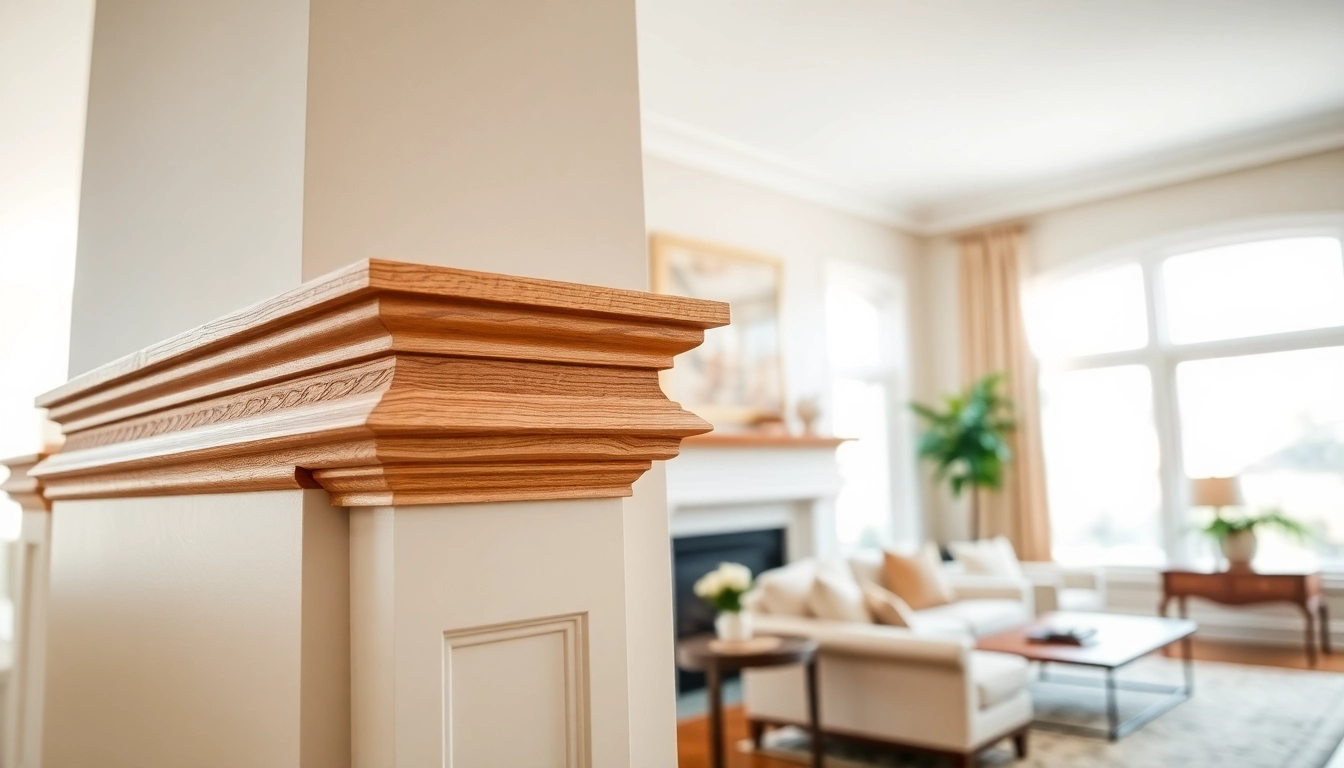
Understanding the Basics of Trim Work
What is Trim Work?
Trim work refers to the decorative framework that accents and finishes the areas of your home, providing a polished, complete look. It encompasses elements such as moldings, casings, and baseboards, and serves both aesthetic and functional purposes. These features not only enhance a room's visual appeal but also cover gaps and imperfections in constructions, making them essential for achieving a cohesive design.
Types of Trim Work Materials
When it comes to materials for trim work, there are several options each with differing aesthetics, durability, and cost:
- Wood: Classic and versatile, wood trim can be painted or stained to match your decor.
- MDF (Medium Density Fiberboard): An economical choice that is easy to work with, MDF can mimic the look of wood when painted.
- PVC (Polyvinyl Chloride): Durable and resistant to moisture, PVC is ideal for areas prone to humidity.
- Polyurethane: Lightweight and available in various designs, polyurethane is easy to install and paint.
Common Trim Work Styles
Several styles of trim work can complement different architectural designs:
- Crown Molding: Adds elegance by capping the junction between walls and ceilings.
- Baseboards: Runs along the bottom of walls, hiding raw edges and preventing wall damage.
- Window Casings: Frames windows to enhance their appearance and detail.
- Chair Rails: Installed horizontally to break up wall space and protect against scuffs.
Getting Started with Trim Work Projects
Essential Tools for Trim Work
Equipping yourself with the right tools is crucial for any trim work project:
- Miter Saw: For making angled cuts accurately.
- Nail Gun: Speeds up installation and reduces the risk of damage.
- Level: Ensures that your trim is positioned perfectly.
- Tape Measure: For precise measurements.
- Stud Finder: Helps locate framing studs for secure fastening.
Measuring and Planning Your Trim Work
Effective measuring and planning are at the heart of successful trim work installation. Start by measuring the lengths of walls or openings where trim will be installed. Be sure to account for door frames and any existing interruptions in your measurements. Creating a comprehensive layout can help visualize the finished product and ensure that all purchases and cuts are accurate.
Prep Work Before Installation
Proper preparation can significantly ease the installation process. Things to consider include:
- Surface Preparation: Ensure walls and surfaces are clean and even.
- Paint or Stain Prior to Installation: It may be easier to paint or stain parts of the trim before it is installed to ensure a consistent finish.
- Gather Materials: Have all trim pieces and tools ready before starting work to avoid interruptions.
Techniques for Installing Trim Work
Methods for Cutting Trim Accurately
Accurate cutting is essential for a professional-looking finish. Here are some methods to ensure precision:
- Miter Cuts: Often used for corners, a miter saw will allow for angles to be cut at a 45-degree angle for a seamless joint.
- Bevel Cuts: Useful for exterior corners, the saw should be tilted to make necessary cuts.
- Straight Cuts: For ends that don’t require angles, a standard straight cut suffices.
Securing Trim Work: Tips and Tricks
When it comes to securing trim work, proper fastening methods are key:
- Nail Placement: Use your nail gun to drive nails through the center of moldings, avoiding the edges to prevent splitting.
- Adhesive Options: For added security, apply wood glue before nailing for a stronger bond.
- Spacing Nails Appropriately: Place nails every 16 to 24 inches for optimal stability.
Finishing Touches: Painting and Staining Trim Work
Completing your trim work involves a meticulous finishing process:
- Primer First: If painting, apply a primer coat to help paint adhere better.
- Use Quality Brushes: A quality paintbrush ensures smooth application with minimal streaks.
- Multiple Coats: Two to three coats are often required, particularly for darker colors over lighter surfaces.
Common Issues and Solutions in Trim Work
Dealing with Gaps and Misalignments
Gaps and misalignments can be frustrating but manageable. Employ caulking to fill spaces between trim and walls, ensuring a seamless look. Additionally, shims can help align pieces correctly before securing them in place.
Repairs for Damaged Trim Work
To fix damaged trim, start by lightly sanding the area to smooth out rough spots. Fill any holes with wood filler or caulk, then sand to level. Finish by repainting or restaining the affected area as necessary for a cohesive appearance.
How to Maintain Your Trim Work Over Time
Regular maintenance will prolong the life of your trim work. Keep surfaces clean with a soft cloth to remove dust, and periodically check for signs of damage or wear. In high-traffic areas, a touch-up of paint or stain may be necessary to keep things looking fresh.
Enhancing Home Value with Trim Work
Trim Work as a Selling Point
Well-executed trim work can be a significant selling point for prospective homebuyers, adding character and charm. Features such as crown molding or custom casings visibly elevate a space's elegance, making it more attractive from the moment buyers walk through the door.
Cost vs. Value: Is Trim Work Worth It?
Investing in trim work offers noticeable returns in aesthetics and home value. Prospective homeowners often see trim work as a sign of quality and attention to detail, driving up demand and ultimately price.
Examples of Stunning Trim Work Transformation
Transformative projects illustrate the power of trim work perfectly. A simple installation of crown molding can elevate a standard room, making it feel more sophisticated. Baseboards can change the visual height of a room, making ceilings appear taller and adding an air of refinement.
Frequently Asked Questions
What types of trim work can I use in my home?
Popular types include crown molding, baseboards, window casings, and chair rails. Each serves a distinct aesthetic and functional purpose.
How do I select the right trim work style for my space?
Consider your home's architecture and decor style. Traditional homes benefit from ornate trim, while modern spaces look great with minimalistic designs.
Can I install trim work myself?
Yes, with the right tools and preparation, DIY installation is feasible. However, complex designs may require professional help for best results.
How do I maintain and clean trim work?
Regular dusting and occasional light cleaning with a damp cloth suffice. Use a suitable polish for wood trim to maintain its shine.
Will trim work increase the value of my home?
Yes, well-installed trim work can enhance the visual appeal and perceived value of your home, making it a smart investment.