


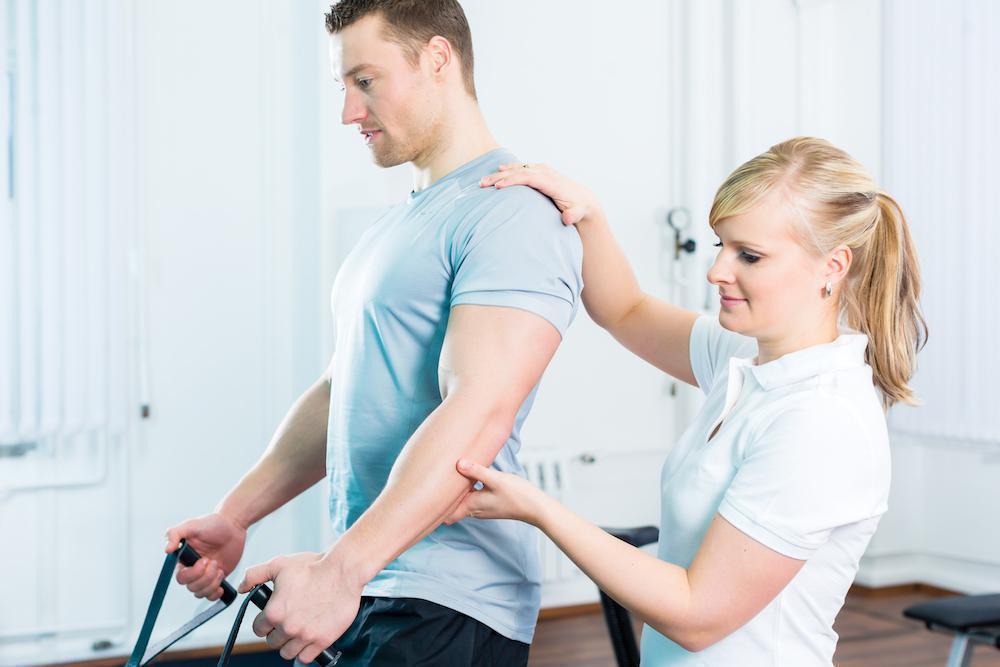
Athletes at every level—amateur, professional, or recreational—understand that peak performance isn’t just about talent. It’s about conditioning, injury prevention, recovery, and strategic rehabilitation. Sports performance and rehabilitation is the specialized field that bridges these needs, helping athletes train smarter, recover faster, and maintain long-term physical health.
At Control Physical Therapy, located at 1425 W. 14th Street, Tempe, AZ 85281, we provide personalized programs tailored to each athlete’s body, sport, and performance goals. Whether recovering from an injury or preparing for a major competition, our evidence-based approach ensures optimal outcomes, reduced injury risk, and a faster return to sport.
What Is Sports Performance and Rehabilitation?
Sports performance and rehabilitation combines athletic training, physical therapy, and injury recovery techniques to improve physical capabilities while maintaining the body’s resilience. The two main components include:
- Performance Enhancement: Strength, endurance, agility, and flexibility training aimed at maximizing athletic output.
- Rehabilitation: Structured recovery programs for injuries, including musculoskeletal injuries, sprains, strains, and post-surgical recovery.
Together, these approaches ensure that athletes not only perform at their best but also recover safely from setbacks.
Why Sports Performance Training Matters
Athletes face high physical demands, which can lead to overuse injuries, fatigue, and performance plateaus. Sports performance training helps by:
- Improving strength and power – Targeted exercises enhance muscular output for better speed, explosiveness, and endurance.
- Enhancing agility and coordination – Functional drills mimic sport-specific movements to improve reaction time and efficiency.
- Boosting cardiovascular capacity – Optimized aerobic and anaerobic conditioning supports sustained performance.
- Reducing injury risk – Proper biomechanics, flexibility, and balance training prevent common athletic injuries.
Studies show that athletes who engage in comprehensive performance programs experience fewer injuries and longer athletic careers.
Common Injuries and Rehabilitation Needs
Even the most conditioned athletes are prone to injury. Common issues include:
- Sprains and strains – Often from sudden movements or overuse
- Tendonitis and bursitis – Caused by repetitive stress
- Muscle tears or ruptures – From explosive actions or impact
- Post-surgical recovery – Following ACL reconstruction, shoulder repair, or other orthopedic procedures
- Chronic joint pain – From repetitive high-impact activity
Sports rehabilitation addresses these injuries by restoring function, reducing pain, and preventing re-injury through targeted therapy, progressive exercise, and patient education.
Key Components of Sports Performance and Rehabilitation
1. Assessment and Personalized Planning
A thorough evaluation identifies physical strengths, weaknesses, and movement patterns. Personalized programs are designed based on:
- Athletic goals
- Injury history
- Sport-specific demands
2. Strength and Conditioning
- Resistance training to improve power
- Core stabilization to protect joints
- Plyometric drills for explosive movements
3. Mobility and Flexibility Training
- Dynamic stretching for performance readiness
- Functional range-of-motion exercises to prevent injury
- Manual therapy techniques to restore joint movement
4. Rehabilitation and Recovery
- Controlled exercises to restore strength and function
- Pain management through modalities such as ice, heat, or electrical stimulation
- Gradual return-to-sport protocols to ensure safe recovery
5. Performance Monitoring and Feedback
- Tracking progress through objective measures
- Adjusting programs based on recovery, fatigue, or performance outcomes
Benefits of Sports Performance and Rehabilitation
Investing in a sports performance and rehabilitation program offers several advantages:
- Faster recovery from injuries – Structured rehab ensures tissues heal optimally.
- Improved athletic performance – Training targets specific skills for your sport.
- Reduced risk of future injuries – Balanced strength, flexibility, and technique protect joints and muscles.
- Enhanced confidence – Athletes can return to training knowing they are physically prepared.
- Long-term joint and muscle health – Preventive care extends athletic careers and daily functionality.
Athletes who commit to these programs often notice immediate performance gains, fewer disruptions from injuries, and sustainable physical health over time.
Sports Rehabilitation Techniques
Effective rehabilitation programs often combine several modalities:
Manual Therapy
- Mobilization and soft tissue techniques
- Reduces pain and restores movement
Therapeutic Exercise
- Strengthening, endurance, and mobility routines
- Targets sport-specific functional recovery
Neuromuscular Re-education
- Retrains proper movement patterns
- Improves balance, coordination, and proprioception
Modalities and Recovery Tools
- Ice, heat, ultrasound, and electrical stimulation
- Supports tissue healing and pain relief
Functional and Sport-Specific Drills
- Gradual return-to-play activities
- Mimics in-game movements for safer transitions back to competition
Sports Performance and Injury Prevention
Preventing injuries is just as important as rehabilitation. Strategies include:
- Movement screening – Identifies biomechanical inefficiencies
- Dynamic warm-ups – Prepares muscles for peak activity
- Strengthening vulnerable muscle groups – Core, shoulders, knees, and hips
- Proper recovery routines – Stretching, hydration, and rest cycles
- Education on technique and mechanics – Ensures correct movement patterns
Integrating prevention strategies reduces downtime and helps athletes maintain consistent performance.
Case Study Examples
- ACL Rehabilitation: After surgery, patients regain knee stability, strength, and functional mobility through a staged program that includes manual therapy, strength training, and agility drills.
- Shoulder Injury Recovery: Rotator cuff and labrum injuries are addressed with targeted strengthening, mobility work, and proprioceptive training to return athletes safely to throwing or grappling motions.
- Athlete Return-to-Play Protocols: Combining functional assessments with sport-specific drills ensures the athlete can safely resume competitive play with minimal risk of re-injury.
These examples demonstrate how sports performance and rehabilitation is both proactive and reactive, optimizing results at every stage of recovery.
Integrating Technology and Tracking
Modern sports therapy uses data-driven approaches to monitor performance and rehabilitation:
- Wearable devices track movement efficiency, load, and recovery
- Video analysis identifies faulty movement patterns
- Objective metrics guide adjustments in therapy and training
Such technology enhances outcomes, minimizes errors, and helps athletes achieve consistent progress.
Choosing the Right Provider
When selecting a physical therapy provider for sports performance and rehabilitation, look for:
- Licensed therapists experienced in athletic injuries
- Evidence-based protocols and personalized plans
- Facilities equipped for both rehabilitation and performance training
- A multidisciplinary approach, integrating exercise, therapy, and recovery modalities
At Control Physical Therapy, our team combines clinical expertise with sport-specific knowledge to deliver programs that maximize recovery, enhance performance, and prevent injury.
Take the Next Step
Whether you’re recovering from an injury, preparing for a competition, or seeking to enhance your athletic performance, expert guidance in sports performance and rehabilitation can make all the difference.
Visit Control Physical Therapy at 1425 W. 14th Street, Tempe, AZ 85281 to schedule a consultation. Our therapists will assess your needs, design a personalized program, and guide you through every step so you can train smarter, recover faster, and perform at your best.